
After Winter Storm Fern, most homeowners in Nashville have cleared the biggest part of the mess. The branches have been moved to the curb and picked up by the city, and it seems like everything is over.
In some cases, the biggest risk however is still present.
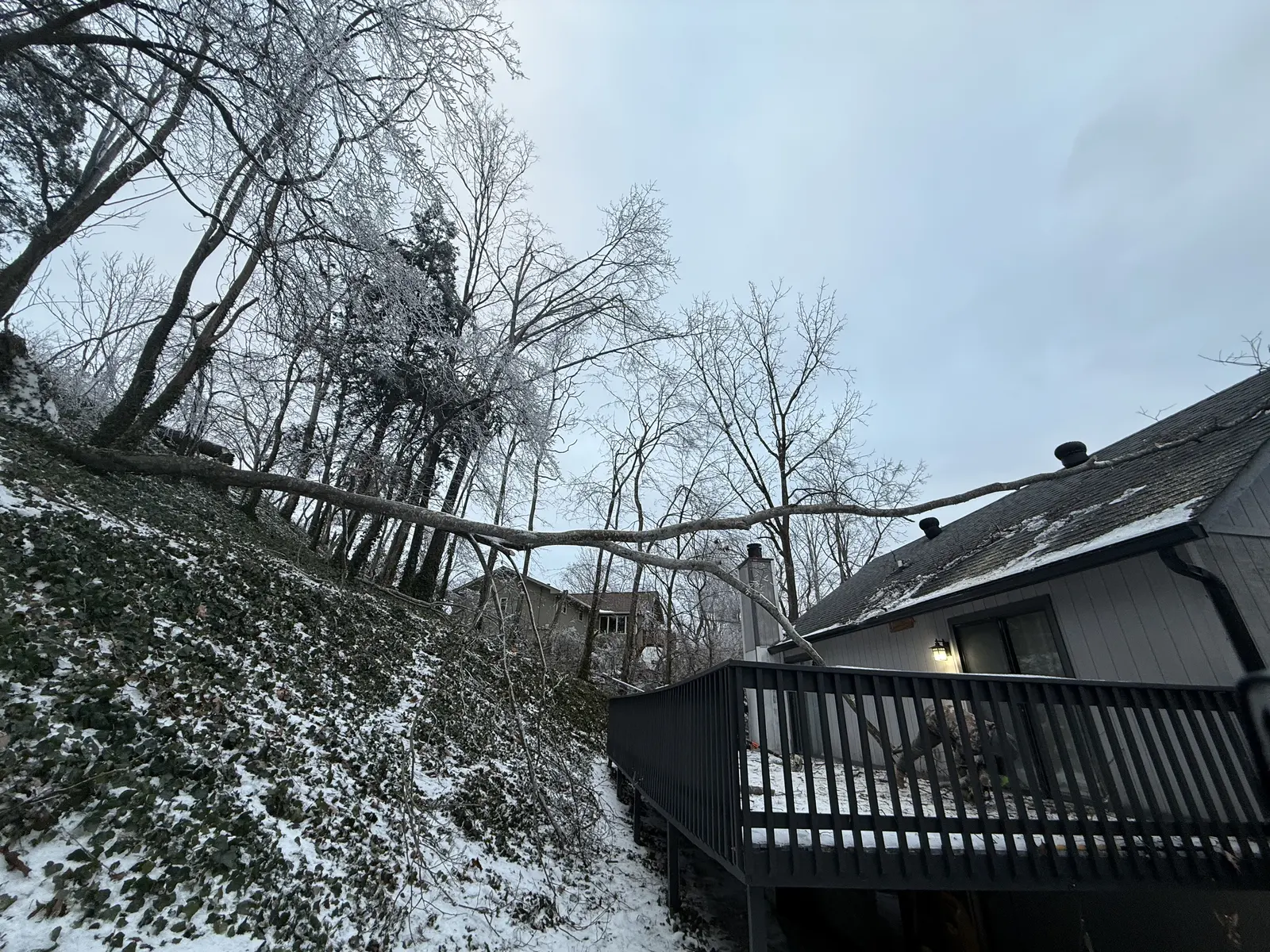
The tree that is still looking mostly upright but has taken hidden damage from ice weight is a dangerous one.
Other issues can be split bark and root movements that might not be easily visible to the untrained eye.
My name is Tanner Smith, and I'm the owner of Smith Works Tree Service and Land Management here in Nashville.
Since Winter Storm Fern, our team has assessed and worked on storm-damaged trees all over Nashville Metro, Brentwood, Forest Hills, and all the surrounding areas. We've been handling emergency removals, risk assessments, structural pruning after ice damage, debris removal, and more.
All while we were doing our best to help where we could and mitigate the damage, I've noticed that many homeowners seem to overlook and underestimate the danger of structurally compromised trees after the ice storm.
So I wanted to give some insight on this topic and provide tips for how to spot a tree that might be more risky than you think.
What Winter Storm Fern Has Done to Nashville's Trees
The main culprit was ice.
Nashville got hit with significant freezing rain, and as it built up on the branches, the weight often just became too much.
According to Nashville Electric Service, a quarter inch of ice can add 500 pounds to a power line.
The same goes for your trees.
The numbers are staggering. According to the Nashville Tree Conservation Corps, an estimated minimum of 5,000 trees were destroyed in Nashville's Metro Parks alone. And the damages on private residential properties are still being fully assessed.
Some neighborhoods got hit especially hard:
Sylvan Park, Whites Creek, Bellevue, and parts of East Nashville all had to deal with many trees breaking under the ice.
Our local Bradford Pears and Silver Maples were some of the most affected trees. They both don't have the wood strength to hold up under significant ice loads, such as the ones that Fern brought upon them.
The following words from a West Nashville homeowner very well capture the devastating effect of the ice storm on many of our trees:
"I saw trees literally explode because all the pressure on them from the ice."
– Lizzie Leas, West Nashville resident, via WSMV-TV
The Trees You Still Need to Look At
So here's what you should look for with your trees:
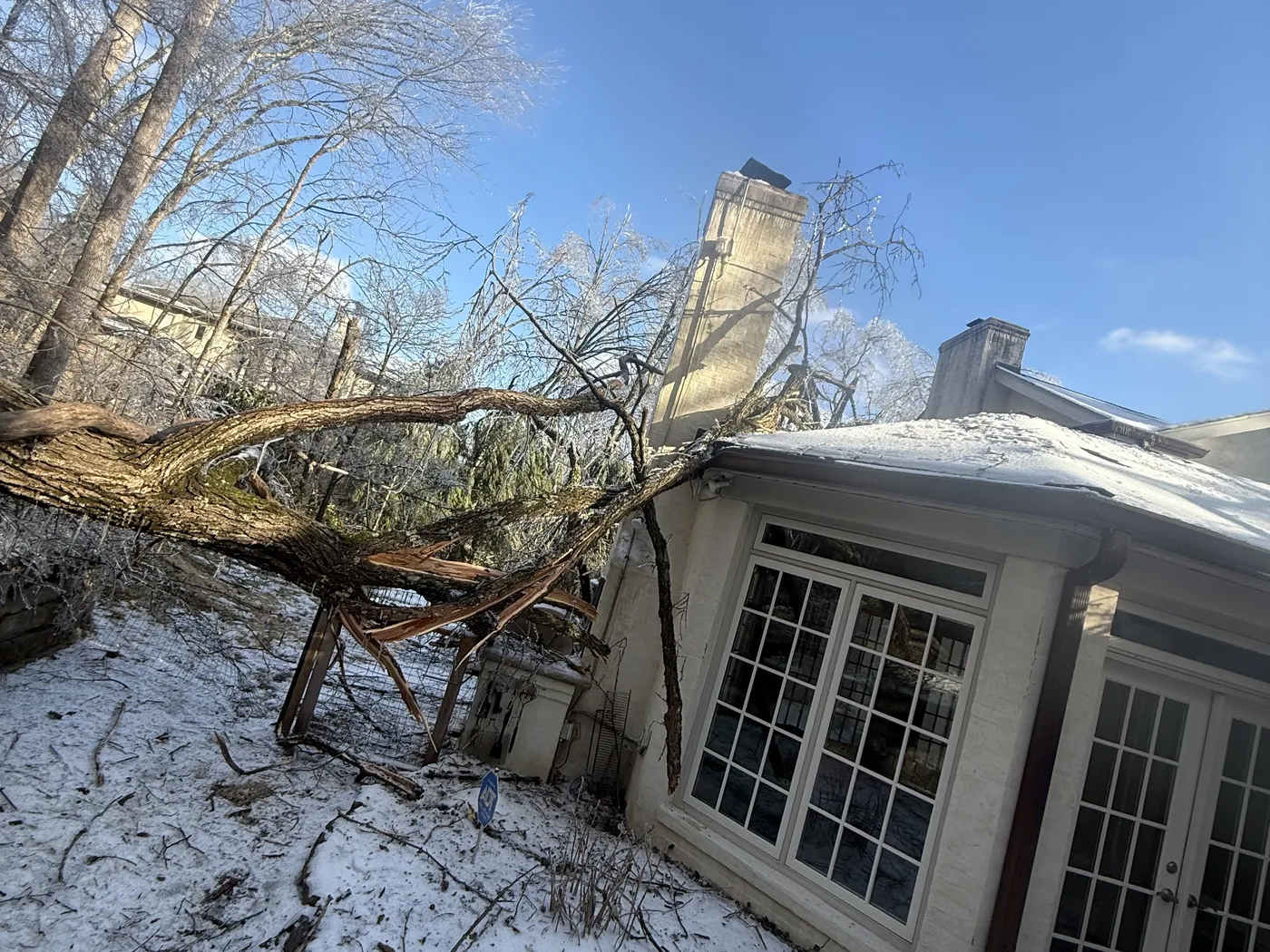
- Are there large limbs that are hanging or caught in the upper canopy (tree workers morbidly call these "widow makers")
- Are there visible cracks or splits in the tree trunk or at branch unions
- Is the tree leaning in a direction that it wasn't leaning in before the storm
- Is there bark that is looking torn, lifted, or peeling away from the tree trunk
- Are there any limbs resting against your roof, gutters, or fence line
These are not all, but probably the most common visible signs that you're dealing with a damaged or structurally compromised tree.
If you're seeing any of these, I recommend that you contact a professional tree service company to have a look at it sooner rather than later.
ISA Certified Master Arborist Bo Arrington, who weighed in right after Fern, advised that trees with significant ice damage should be assessed by a qualified arborist. That includes issues like large broken or hanging limbs, major cracks or splits in the trunk or at branch unions, noticeable lean or root lifting, and other structural damage.
I wholeheartedly agree with Bo, and would like to add:
Even if the tree still looks alive and upright, it's critical to have them inspected. These internal cracks don't heal on their own and spring winds as Nashville is often facing them in March and April, are going to test these weakened trees hard.
What the City Will and Won't Take Care Of
The NDOT (Nashville Department of Transportation and Multimodal Infrastructure) has been doing a huge amount of work since January.
The city has collected over 933,000 cubic yards of storm vegetation, which is more than ten times as much of what a normal full year of brush collection would look like. That's a massive operation.
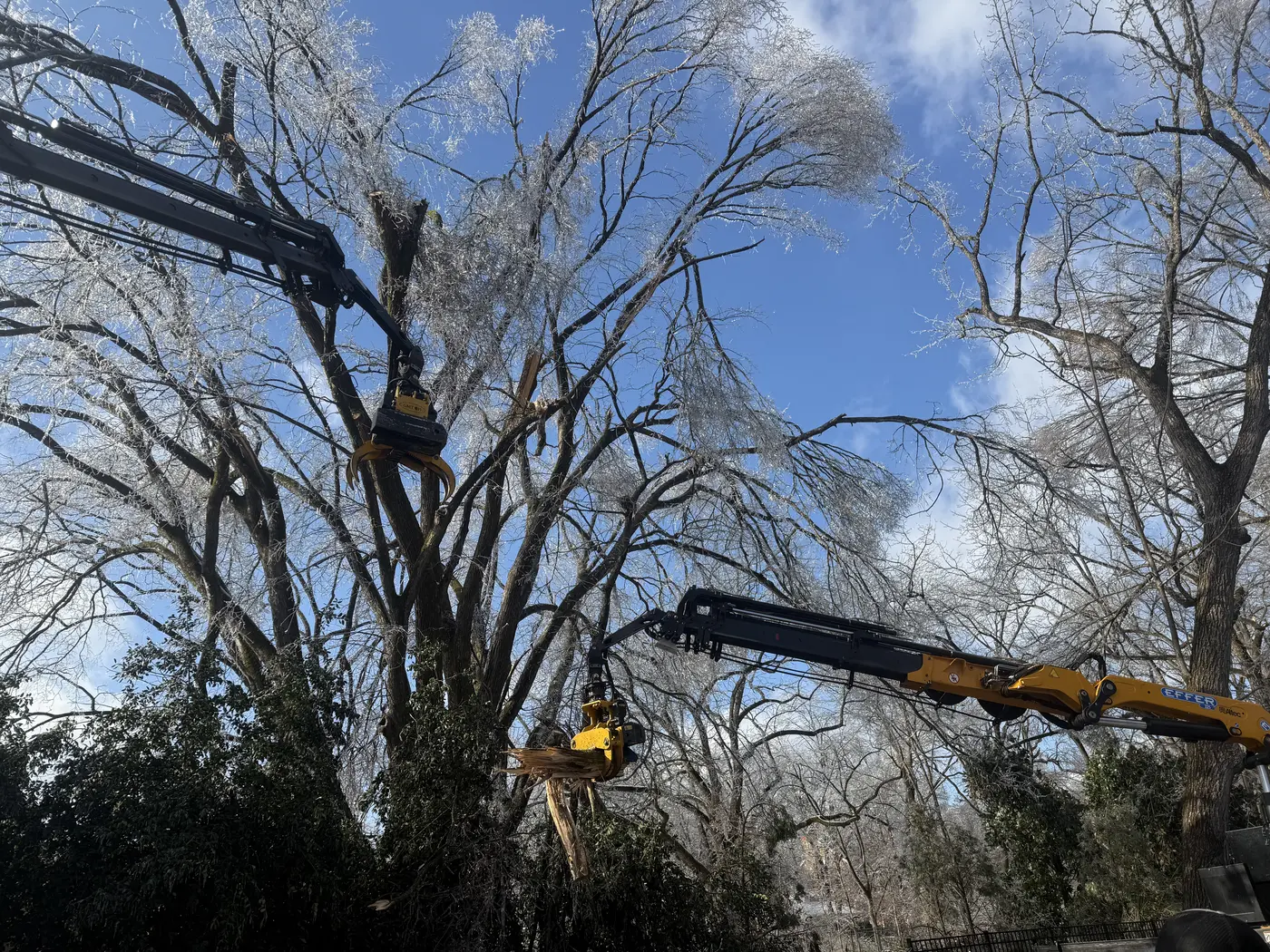
The city is collecting vegetation debris placed in the right-of-way, but understandably so won't pick up or remove debris from your yard.
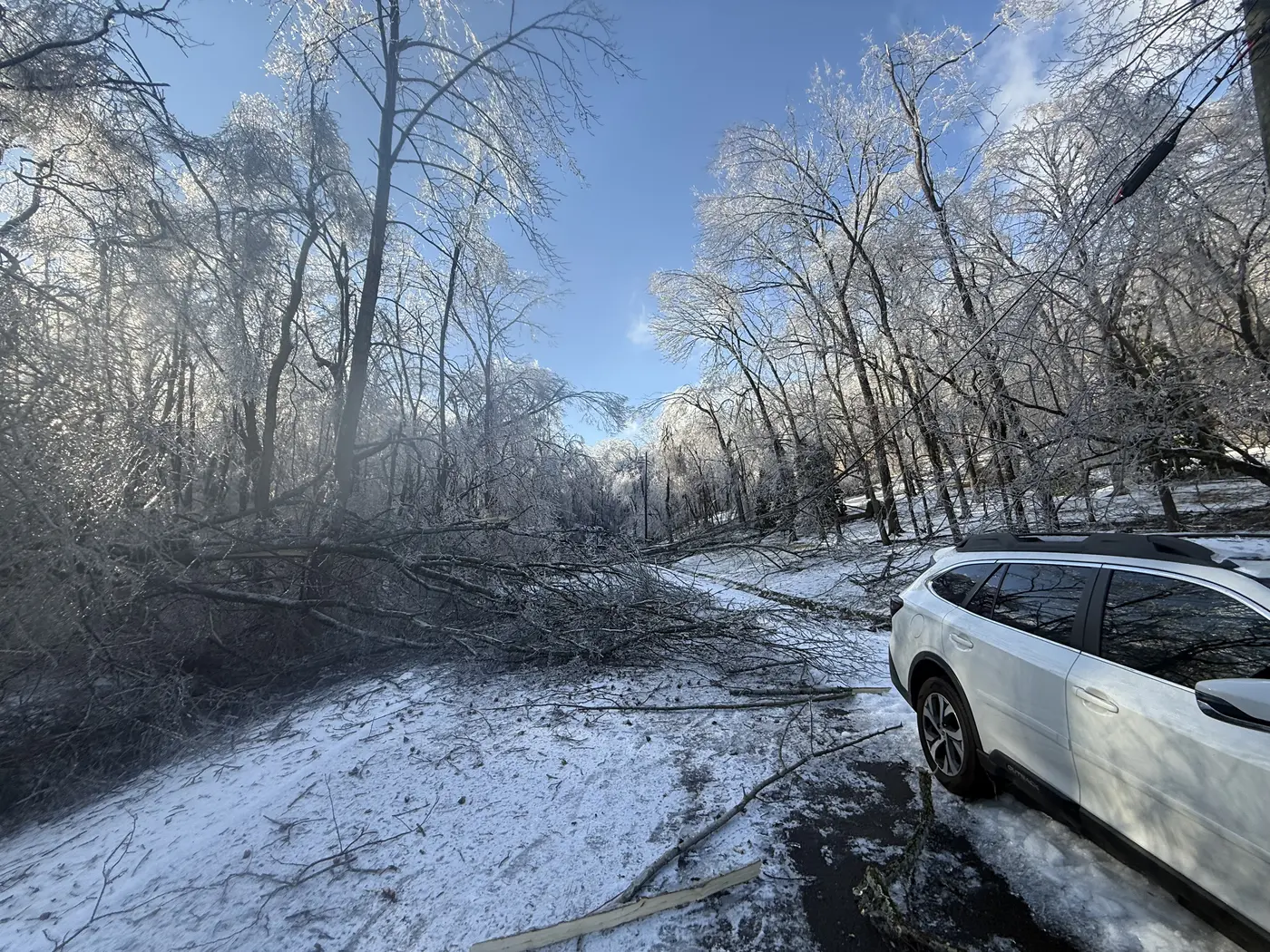
For this type of work, the city is recommending that you contact a private contractor, such as a tree service company.
For more information, visit the official pages of the city regarding vegetation debris collection:
- NDOT: Winter Storm 2026 Special Vegetation Debris Collection
- NDOT: Brush and Leaf Collection in Davidson County
When to Call a Tree Service
It's a good idea to contact a professional tree service if you're dealing with any of the following:
- A damaged tree that is within falling distance of your home, garage, or vehicles
- Hanging limbs in the upper canopy that didn't come down in the storm
- A cracked or split tree trunk or limbs
- Branches that are resting on your roof or touching your gutters or power lines
- You're just not sure whether your tree is damaged or actually safe
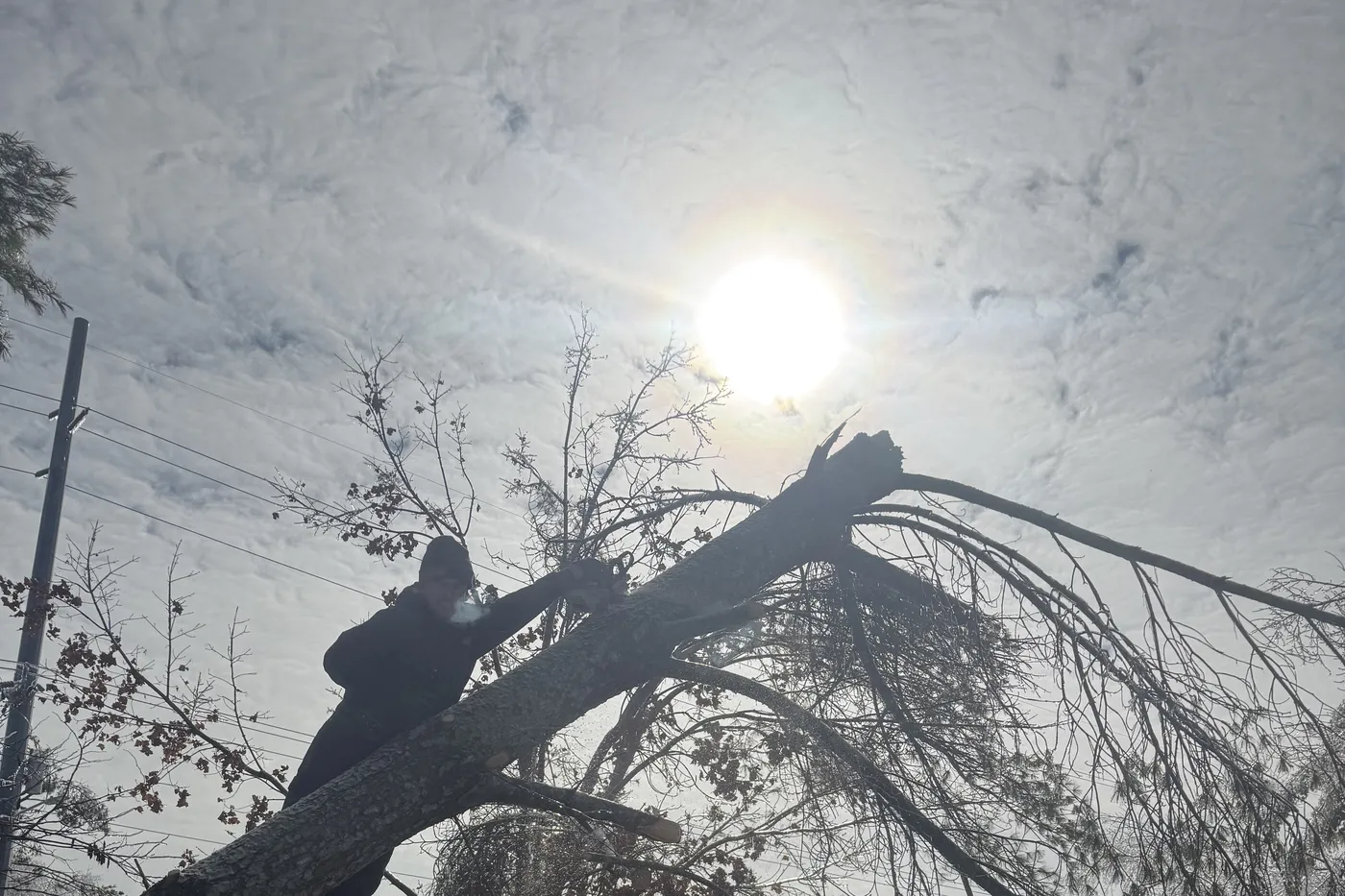
If you have any doubts whether your trees are safe, we highly recommend contacting a professional tree care company for a proper assessment.
Ice storms can hide a lot of damage. Our team has been out across Berry Hill, East Nashville, Bellevue, Green Hills, and all over Nashville and the surrounding areas since January. We're still getting Fern-related calls every week and are available 24/7 for emergency calls.
Feel free to give us a call and we'll be happy to come out and have a look at your trees. Our assessments are always honest and we'll let you know upfront what needs to come down and what you can leave without having to worry about it.