What Is It?
Not a Cedar at All
Despite its common name, the Eastern red cedar is not a true cedar. It is a juniper – one of the toughest, most adaptable native plants in the eastern United States and a cornerstone of Nashville's limestone landscapes.
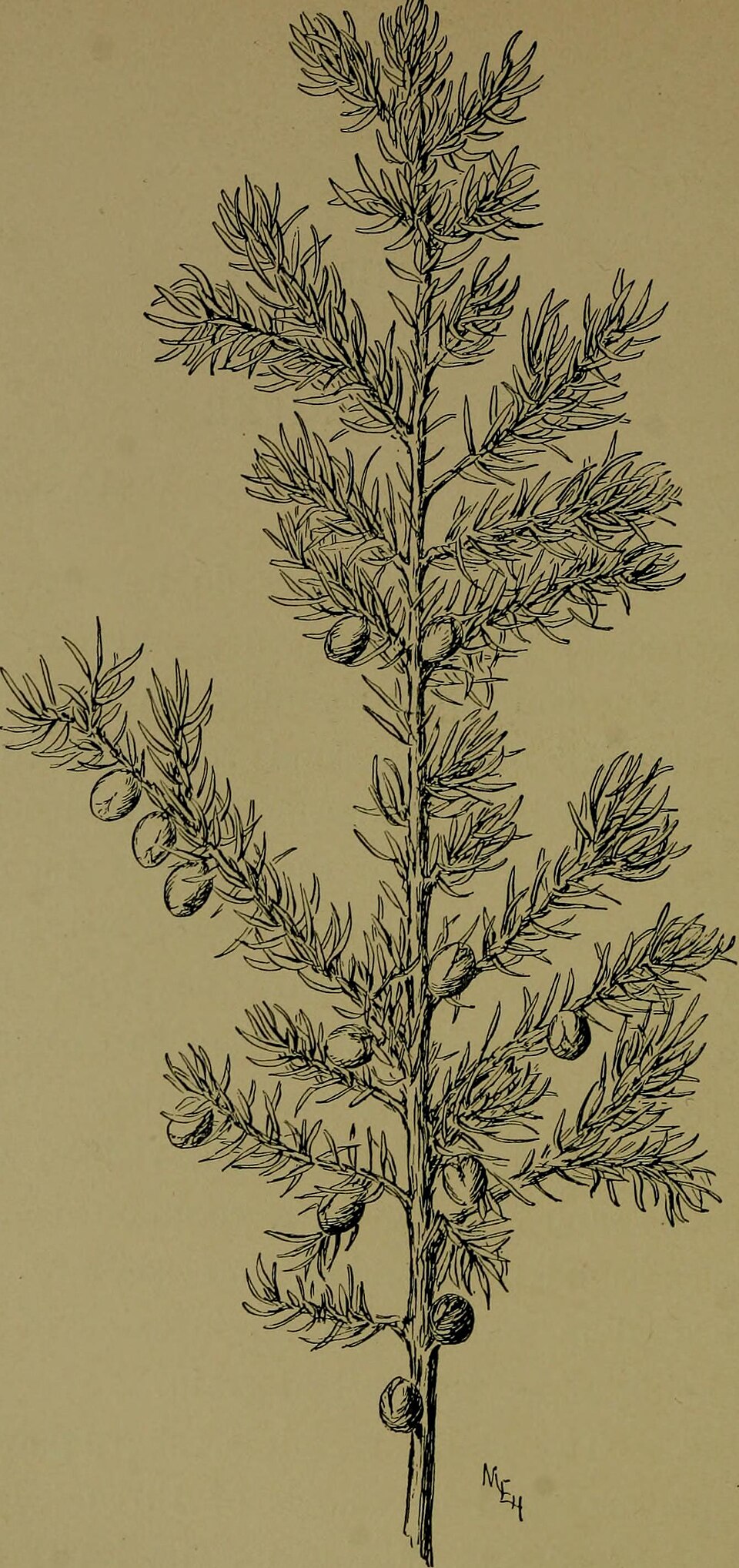
The Eastern red cedar (Juniperus virginiana L.), also known as red juniper, pencil cedar, eastern juniper, and Virginia juniper, is a dense evergreen tree species native to Eastern North America and Central North America. It belongs to the cypress family (Cupressaceae), not the plant family of true cedars (Pinaceae). The Missouri Botanical Garden and Morton Arboretum both classify it among the Juniperus species.
This is one of the most widely distributed native tree species in the eastern U.S., found naturally in fence rows, on rocky limestone bluffs, in old fields, and along highway medians from Maine to Florida and west to the Great Plains. Its native range covers nearly every soil conditions imaginable – dry soil, poor soil, alkaline soil, well-drained soils, moist soils, and even rocky ledges where almost no other tree species can survive.
The eastern redcedar tree is a dioecious species, meaning separate male and female individuals exist. Female trees produce the small, waxy, berry-like cones (often called juniper berries) that are a critical winter food source for dozens of bird species. Male trees produce tiny yellow-brown pollen cones that release clouds of pollen in late winter and early spring. Knowing whether your tree is a male or female form matters for both wildlife planning and cedar-apple rust management.
"Eastern red cedar is the cockroach of the tree world – and I mean that as the highest compliment. It survives conditions that would kill any other tree in Nashville."
Smith Works Tree Service – Nashville, TNIdentification
How to Recognize One
Eastern red cedar trees look quite different from the broadleaf oaks, maples, and tulip poplars that dominate Nashville landscapes. Their scale-like foliage, pyramidal shape, and berry-like cones make them easy to identify once you know what to look for.
Scale-Like Foliage
Mature Eastern red cedar trees have tiny, overlapping scale-like leaves that hug the twig in four ranks, giving branches a cord-like appearance. The foliage color is typically dark blue-green foliage year-round, though some trees take on a bronzy or purplish tint in winter. Young seedlings and vigorous new growth often show sharply pointed, needle-like juvenile foliage – a common feature of Juniperus species. This mix of scale-like foliage and juvenile needles on the same tree is a hallmark of the species.
Foliage, Bark, Cones & Form
-
Scale-Like LeavesTiny, overlapping scale leaves in four ranks on mature growth; sharp needles on juvenile shoots. Dark green to blue-green foliage with bronzy winter tint.
-
Reddish-Brown BarkReddish-brown bark that peels in long strips on mature trunks. Thin bark makes the tree susceptible to fire damage, though it quickly recolonizes burned areas from seed.
-
Berry-Like ConesFemale trees produce small (1/4 inch), round, waxy berry-like cones that ripen to a powdery blue color in fall. These are the juniper berries prized by wildlife.
-
Pollen ConesMale trees produce tiny yellow-brown pollen cones at branch tips in late winter to early spring. In large amounts, cedar pollen can trigger significant allergies.
-
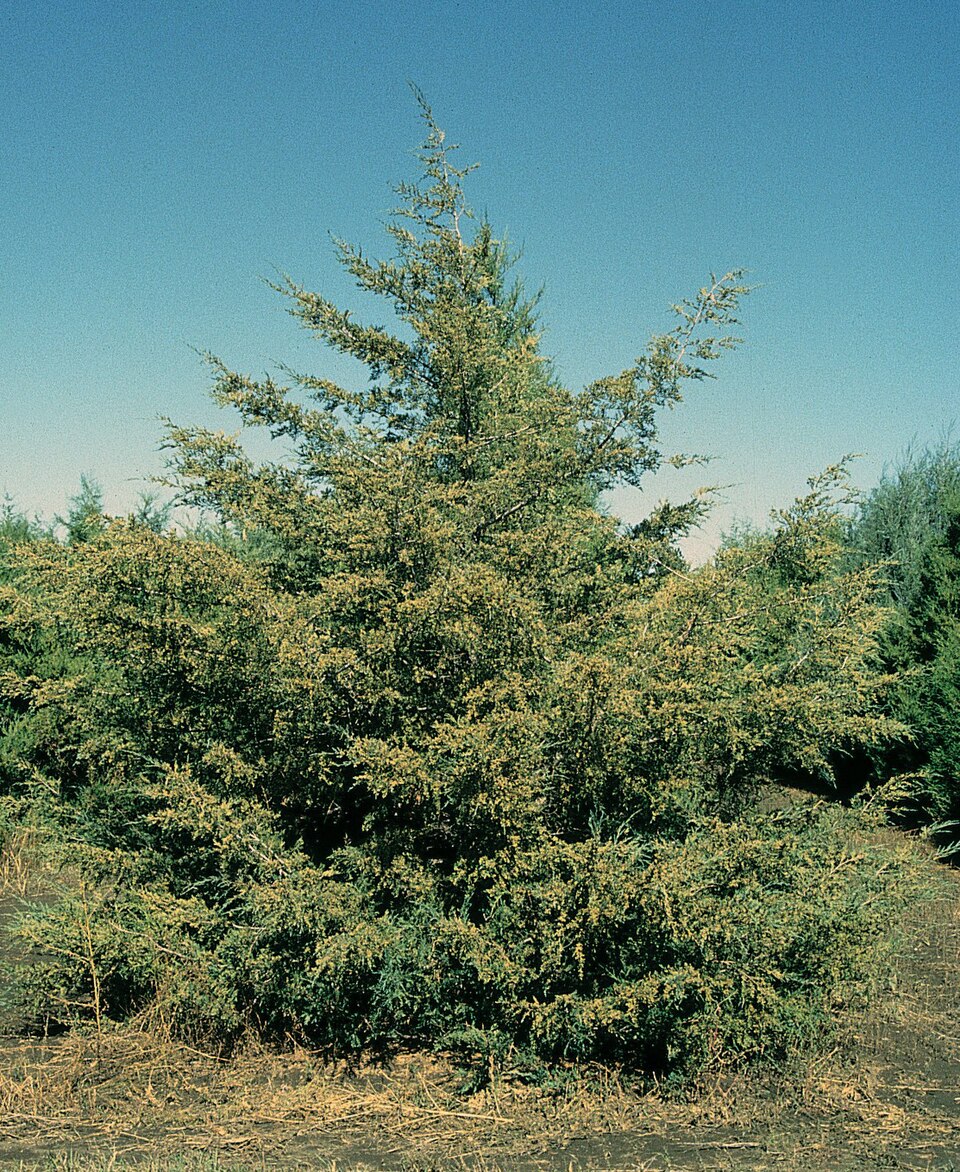
Plant Type & FormEvergreen trees with a dense, pyramidal to columnar form when young, becoming more open and rounded on mature trees. Excellent specimen tree or screening plant.
Reddish-Brown Bark
The reddish-brown bark of mature Eastern red cedar trees is one of their most distinctive features. It exfoliates in long strips, revealing the smooth, reddish heartwood beneath. The thin bark makes these trees vulnerable to fire, which is why they are less common in frequently burned ecosystems but dominant in rocky, fire-protected areas like Nashville's limestone bluffs and old fence rows.
Seed Cones vs. Pollen Cones
Because Eastern red cedar is a dioecious species, you will find seed cones only on female trees and pollen cones only on male trees. The seed cones are the small, round, waxy berry-like cones that ripen to a whitish-blue color in fall. Male trees produce large amounts of pollen from tiny brown cones at the tips of branches during late winter and early spring – a common problem for allergy sufferers.
Growing Conditions
Site, Soil & Drought Tolerance
Eastern red cedar is famous for its ability to grow where nothing else will. Its growing conditions are remarkably flexible – but understanding its preferences will help you get the best performance from this resilient native tree.
Growing Conditions Summary
-
Full Sun to Partial ShadeBest growth and densest form in full sun. Tolerates partial shade but becomes open and leggy. In Nashville, plant in the sunniest location available.
-
Wide Range of SoilsThrives in a wide range of soils – alkaline soil, dry soil, poor soil, clay, sand, gravel, and limestone ledges. Prefers well-drained soils but tolerates moist soils briefly. Avoids consistently wet soils.
-
Drought ToleranceOne of the most drought resistance species in the eastern United States. Handles extremes of drought, heat, and windy conditions with ease. Deep root system anchors the tree and accesses deep moisture.
-
Hardiness ZoneExtremely cold-hardy: hardiness zones 2 through 9. Nashville's Zone 7a is well within its range. Found from the Canadian border to the Gulf Coast.
-
Growth RateSlow to medium growth rate – typically 12 to 18 inches per year. Mature trees reach 40 to 50 feet tall with a 10 to 20 foot spread in Nashville. Some specimens exceed 60 feet.
Planting Tips
- Choose a site in full sun or partial shade. Full sun produces the densest, most symmetrical form.
- Eastern red cedar tolerates almost any soil conditions – no amendments needed. It actually prefers Nashville's alkaline soil.
- For bare-root Eastern Red Cedar seedlings, plant in late winter or early spring before new growth begins. Container-grown stock can go in during the full growing season.
- Water regularly during the first growing season. After establishment, the tree's legendary drought tolerance takes over.
- Avoid planting near apple trees if cedar-apple rust is a concern. Maintain at least 300 feet of separation.
Eastern red cedar works beautifully as a specimen tree, a windbreak, a privacy screen, or planted in shrub borders. Its dense, year-round blue-green foliage and pyramidal form make it one of the best evergreen trees for Nashville landscapes. It also thrives in fence rows and along property lines where other trees struggle.
Eastern red cedar has moderate sensitivity to black walnut juglone toxicity. If possible, avoid planting within the drip line of mature black walnut trees. Some cedars tolerate juglone better than others, but stressed trees may show yellowing or decline.
Tree Care
Maintenance & Disease Problems
Eastern red cedar is among the lowest-maintenance tree species you can plant. However, a few disease problems and care considerations are worth knowing about.
Pruning & Shaping
Prune in late winter or early spring before new growth begins. Eastern red cedar does not regenerate from old wood – never cut back into bare branches. Light shaping maintains a dense, attractive form. Remove dead or damaged branches as needed.
Watering
Water deeply during the first year of establishment. After that, drought resistance is exceptional. Avoid overwatering – Eastern red cedar prefers dry soil over wet soils. Standing water and poor drainage cause more harm than drought.
Cedar-Apple Rust
Cedar-apple rust is the primary disease problems concern. The fungal disease creates woody galls on branches but rarely harms the cedar itself – the real damage is to nearby apple trees. Remove galls when spotted. See the cedar rust section above for additional information.
Twig Blight
Twig blight (Phomopsis or Kabatina) can cause browning of branch tips, especially on young or stressed trees. Prune out affected twigs in dry weather. Improve air circulation by thinning dense interior growth. Twig blight is most problematic in humid years.
Bagworms are the most damaging insect pest of Eastern red cedar. These caterpillars build distinctive spindle-shaped silk bags covered in foliage fragments. Hand-pick bags in winter when they are easy to spot. Severe infestations can defoliate and kill sections of the tree. Treat with Bt (Bacillus thuringiensis) in early spring when caterpillars are small.
Wood & Cultural Uses
Aromatic Wood & Human History
The aromatic wood of Eastern red cedar has been valued by humans for centuries. From fence posts to cedar chests to Christmas trees, this versatile wood has served nearly every need of rural and frontier America.
Cedar Chests
The aromatic wood of Eastern red cedar naturally repels moths and other fabric pests. Cedar chests and closet linings have been used for generations to protect wool and other natural fibers. The distinctive scent comes from volatile oils in the heartwood.
Pencil Cedar
Eastern red cedar was once called pencil cedar because its straight grain, softness, and resistance to splintering made it the ideal wood for pencil casings. The pencil industry consumed large amounts of cedar until synthetic alternatives were developed.
Fence Posts & More
The heartwood is extremely rot-resistant, making it prized for fence posts, outdoor furniture, and interior trim. Rural fence rows throughout Middle Tennessee still use cedar posts that have lasted 30+ years without treatment.
Eastern red cedar was the original American Christmas trees species. Before commercial tree farms planted firs and spruces, families across the South and Midwest cut wild cedars for their holiday trees. The tradition continues in some rural areas. The aromatic wood and dense, conical form make young cedars attractive natural Christmas trees.
Year-Round Interest
Seasonal Calendar
Unlike deciduous trees, Eastern red cedar provides visual interest and ecological value every month of the year. Its foliage color shifts subtly with the seasons, and its role as a wildlife resource changes through the calendar.
Ecology
A Food Source for Wildlife
Eastern red cedar is one of the most ecologically important native plants for birds and small mammals. Its berry-like cones and dense evergreen canopy support dozens of species year-round.
Cedar Waxwings
The cedar waxwing is literally named for this tree. Flocks of cedar waxwings descend on fruiting cedars in winter, consuming berry-like cones in large amounts. The bird's waxy red wing-tips inspired the name "waxwing."
Songbirds
Over 54 bird species eat Eastern red cedar berries, including songbirds like robins, bluebirds, mockingbirds, and warblers. The dense foliage provides vital nesting and roosting habitat for songbirds throughout the year.
Game Birds
Game birds including wild turkeys, bobwhite quail, and mourning doves forage on fallen juniper berries and use cedar thickets for escape cover and winter shelter during harsh weather.
Small Mammals
Small mammals including cottontail rabbits, field mice, and voles shelter beneath the dense, low-sweeping branches of Eastern red cedar. The berry-like cones are eaten by foxes and other wildlife foragers.
Winter Shelter
As one of the few dense evergreen native plants in Nashville's winter landscape, Eastern red cedar provides critical thermal shelter. Birds roost in cedar thickets on cold nights, conserving body heat in the dense foliage.
Butterflies & Moths
Several moth and butterfly species use Eastern red cedar as a larval host, including the juniper hairstreak butterfly. The tree's evergreen canopy supports overwintering insects that in turn feed early-season songbirds.
Varieties
Popular Cultivars
Nurseries and garden centers offer several named cultivars of J. virginiana selected for specific traits like form, foliage color, or disease resistance. Here are the most common varieties you will find for Nashville planting.
'Grey Owl'
Grey Owl is a low, spreading form (3 to 4 feet tall, 6 feet wide) with attractive silvery-blue foliage. Often used as an evergreen shrub in foundation plantings and shrub borders. A female form that produces berry-like cones. Excellent drought tolerance.
'Brodie'
A tight, columnar form ideal for screening and narrow spaces. Dark green foliage year-round. Grows 20 to 25 feet tall but only 5 to 8 feet wide. Good specimen tree choice where space is limited.
'Taylor'
Very narrow, columnar form similar to Italian cypress. Excellent cold hardiness (Zone 3). Dense blue-green foliage. Works well in windy conditions and as a formal accent or windbreak.
'Canaertii'
Classic pyramidal specimen tree with dark green foliage and heavy crops of ornamental berry-like cones. Female plants produce abundant fruit valued for bird species attraction and wildlife habitat.
Local Focus
Eastern Red Cedar in Nashville
Why Nashville is Cedar Country
Nashville sits at the heart of the Central Basin, a region dominated by limestone bedrock that creates the alkaline soil Eastern red cedar craves. The Tennessee state region just south of Nashville is called the "Cedar Glades" – one of the rarest ecosystems in Eastern North America – where Eastern red cedar is the dominant tree species.
-
Limestone SpecialistNashville's limestone-derived alkaline soil is exactly what Eastern red cedar prefers. It thrives on the rocky cedar glades, bluffs, and thin soils that challenge most other tree species.
-
Climate MatchNashville's Zone 7a climate is ideal. Eastern red cedar handles our hot summers, occasional ice storms, and dry periods without complaint.
-
Shade Trees & ScreeningWhile not a traditional choice among shade trees, mature cedars provide useful year-round screening and wind protection. They work well in mixed plantings with deciduous shade trees.
-
Native RangeEastern red cedar is native throughout Middle Tennessee. The Forest Service documents its native range from Eastern North America through Central North America, with Nashville at its core.
Historical Notes
From Roanoke Island to Nashville
Eastern red cedar has been intertwined with American history since the first English colonists arrived. It was among the first tree species documented in the New World and has served American settlers continuously for over 400 years.
When English explorers reached Roanoke Island off the coast of present-day North Carolina in 1584, they found the island covered with tall Eastern red cedars. The colonists used the aromatic wood for building and shipped logs back to England. The species name virginiana references the colony of Virginia where it was first formally described.
Through the centuries, Eastern red cedar provided fence posts for the expanding frontier, aromatic wood for cedar chests and closets, wood for pencil cedar manufacturing, and even served as Christmas trees throughout the rural South. The Forest Service and the Missouri Botanical Garden both provide extensive additional information about this historically important native tree. The Morton Arboretum in the St. Louis region maintains fine specimen collections and offers detailed product details and cultivation guides.
Nashville is surrounded by one of the most unique ecosystems in North America: the cedar glades. These open, rocky areas on thin limestone soils support Eastern red cedar alongside rare wild plants found nowhere else on Earth. Several Nashville-area parks and natural areas protect these globally rare habitats. The cedar glades ecosystem is a testament to this tree's ability to thrive in the harshest soil conditions.
Video: Eastern Red Cedar Care Tips
Learn more about growing and maintaining Eastern red cedar in the Nashville landscape.
Video: Eastern Red Cedar Care Tips
Common Questions
Eastern Red Cedar FAQ
No. Despite its common name, Eastern red cedar is actually a juniper (Juniperus virginiana) in the cypress family. True cedars belong to the genus Cedrus and are native to the Mediterranean and Himalayas. The name "cedar" was applied by early settlers because the aromatic wood resembles true cedar.
Cedar-apple rust is a fungal disease that requires both an Eastern red cedar and an apple trees host to complete its life cycle. The fungus produces orange, gelatinous galls on cedar branches in early spring, then releases spores that infect nearby apples. Keeping cedars and apple trees at least 300 feet apart reduces infection risk.
Eastern red cedar has a slow to medium growth rate, typically adding 12 to 18 inches per year. Mature trees reach 40 to 50 feet in height in Nashville growing conditions. Growth is fastest in full sun with well-drained soils.
Extremely so. Eastern red cedar is one of the most drought tolerance native plants in the eastern United States. It thrives in dry soil, poor soil, and extremes of drought that would kill most other tree species. Its deep root system and waxy scale-like foliage minimize water loss.
Yes. Eastern red cedar is one of the most important native tree species for wildlife. Its berry-like cones are a critical winter food source for cedar waxwings, songbirds, game birds, and small mammals. Over 54 bird species eat its fruit. The dense evergreen foliage provides year-round shelter for nesting and roosting wildlife.
Eastern red cedar is a dioecious species with separate male and female trees. Female plants produce the ornamental berry-like cones that attract wildlife but can also host cedar-apple rust. Male trees produce pollen cones and are better near apple orchards. For wildlife value, choose female plants. The cultivar 'Grey Owl' is a popular female form.
Need Help With Your Nashville Cedars?
Whether you need cedar pruning, shaping, removal, cedar-apple rust management, or advice on the right evergreen for your property, Smith Works Tree Service is here to help.
Get a Free EstimateServing Nashville, Davidson County & Middle Tennessee