What Is It?
The Most Adaptable Native Maple
The red maple earns its place as one of the most widespread deciduous trees in Eastern North America – found from swamp bottoms to dry ridgetops, thriving where other maple trees struggle.
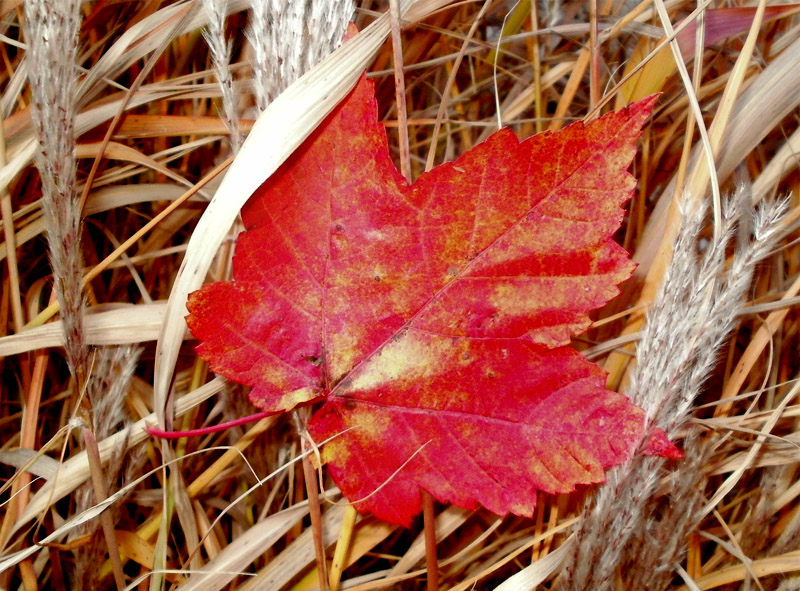
The red maple (Acer rubrum L.) is the most abundant native tree across much of Eastern North America, stretching from Newfoundland and Manitoba south through Florida and east Texas. Its common name refers not just to its brilliant red fall color but to the red buds, red flowers, red leafstalks, and red samaras that mark every stage of its annual cycle – earning it the alternate names scarlet maple, soft maple, and swamp maple.
As a member of the maple family (Sapindaceae, formerly Aceraceae), the red maple shares the genus Acer with familiar relatives like sugar maple (Acer saccharum), silver maple (Acer saccharinum), and Norway maple. But among all these maple trees, the red maple stands out for its extraordinary adaptability – equally at home in moist soils, wet soils, and surprisingly dry soil sites. It tolerates both acidic soil and moderately alkaline soil, full sun and partial shade.
This adaptability, combined with its fast growth rate and spectacular fall color, has made the red maple one of the most widely planted shade trees in the United States. In Nashville and across Middle Tennessee, you will find mature trees lining streets, anchoring parks, and towering over suburban yards.
"Red maple is the tree I recommend most to Nashville homeowners who want fast shade and guaranteed fall color. It adapts to almost any yard."
Smith Works Tree Service – Nashville, TNIdentification
How to Recognize One
Red maple has distinctive features in every season – from its early spring red buds and flowers to the brilliant red fall color that lights up Nashville neighborhoods each October. Once you learn to spot the red leafstalks and gray bark, you will notice red maple trees throughout the landscape.
Leaf Shape & Description
The leaf shape is the easiest identification feature. Each red maple leaf has three to five pointed lobes with irregularly serrated (toothed) margins – a key distinction from sugar maple, whose lobes have smooth edges. Leaves are typically 2 to 6 inches across. The upper surface is dark green and somewhat glossy, while the underside is pale, often with a silvery-white or grayish tone.
Perhaps the most reliable year-round field mark is the leafstalks (petioles): on red maple, they are distinctly red or reddish-pink, even on green summer leaves. This trait separates red maple from nearly every other maple tree at a glance.
Leaf, Bark & Fruit at a Glance
-
Leaf Shape2 to 6 inches wide; 3 to 5 pointed lobes with serrated margins; dark green upper surface; whitish underside; red leafstalks
-
FlowersTiny red to yellow-red clusters appear in late winter to early spring before leaves emerge; male flowers and female flowers usually on separate trees
-
SamarasPaired winged seeds (helicopter seeds), 1/2 to 1 inch long, ripen in late spring; bright red when young, turning tan at maturity
-
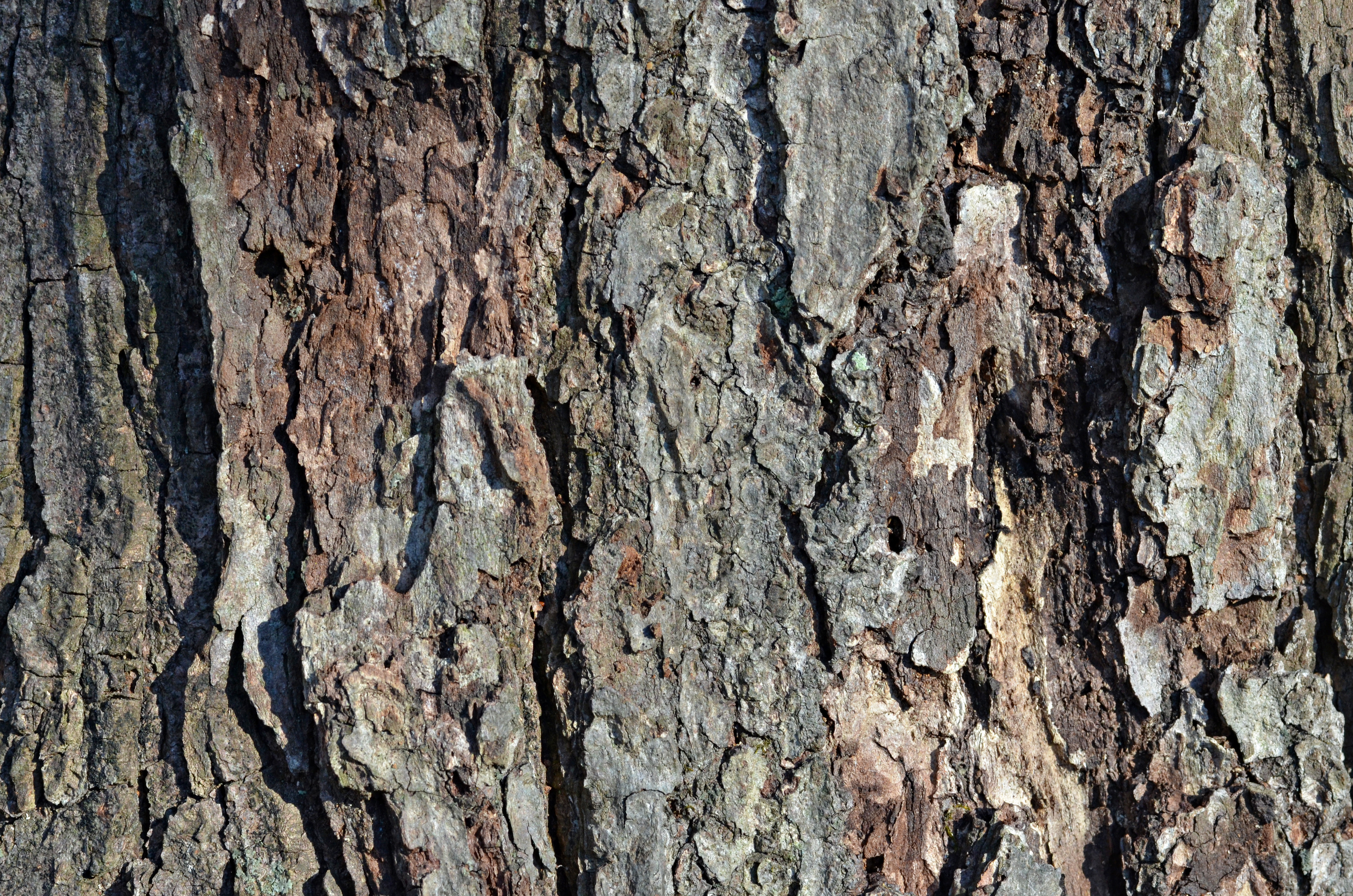
Gray BarkSmooth and light gray on young trees; develops scaly, darker gray plates on mature trees; never as deeply furrowed as oak bark
-
Plant TypeDeciduous tree; maple family (Sapindaceae); genus name Acer; medium to large shade tree
Gray Bark & Form
Young red maple bark is smooth and light gray, one of the tree's more subtle identification features. As mature trees age, the bark breaks into long, scaly ridges and darker gray plates, but it never develops the deep furrows of oaks. The crown of a mature tree is rounded to broadly oval, with ascending branches that create a pleasing symmetry – one reason red maple is popular as a shade tree and street planting.
Dark Green Leaves in Summer
During summer, the dark green leaves create a dense canopy that provides welcome shade. The leaf shape can be variable – some red maples produce deeply lobed leaves while others have more shallowly cut foliage, especially in the southern part of the range. This natural variation is one reason cultivar selection matters: named varieties like October Glory and Red Sunset have been selected for consistent leaf shape and reliable fall color.
Growth & Size
Fast Growth for Quick Shade
Red maple is among the fast growing trees in the maple genus. Rapid growth during its first decades means homeowners can enjoy meaningful shade within just a few years of planting. Young trees typically add 12 to 18 inches of height per year, and vigorous specimens in moist soils with full sun can put on more than 2 feet annually.
Mature trees in Nashville typically reach 40 to 60 feet tall with a crown spread of 25 to 45 feet. The species' fast growth rate does come with a trade-off: the wood is softer than that of sugar maple, which is why red maple is sometimes called soft maple. This softer wood can make older trees more vulnerable to storm damage than harder-wooded species.
Red maple's rapid growth produces softer wood than sugar maple or oak. While this means faster shade, it also means branches can be more prone to breakage in ice storms. Regular pruning to maintain strong branch structure is the best insurance against storm damage in Nashville's occasionally severe weather.
Flowers & Seeds
Red Buds & Spring Samaras
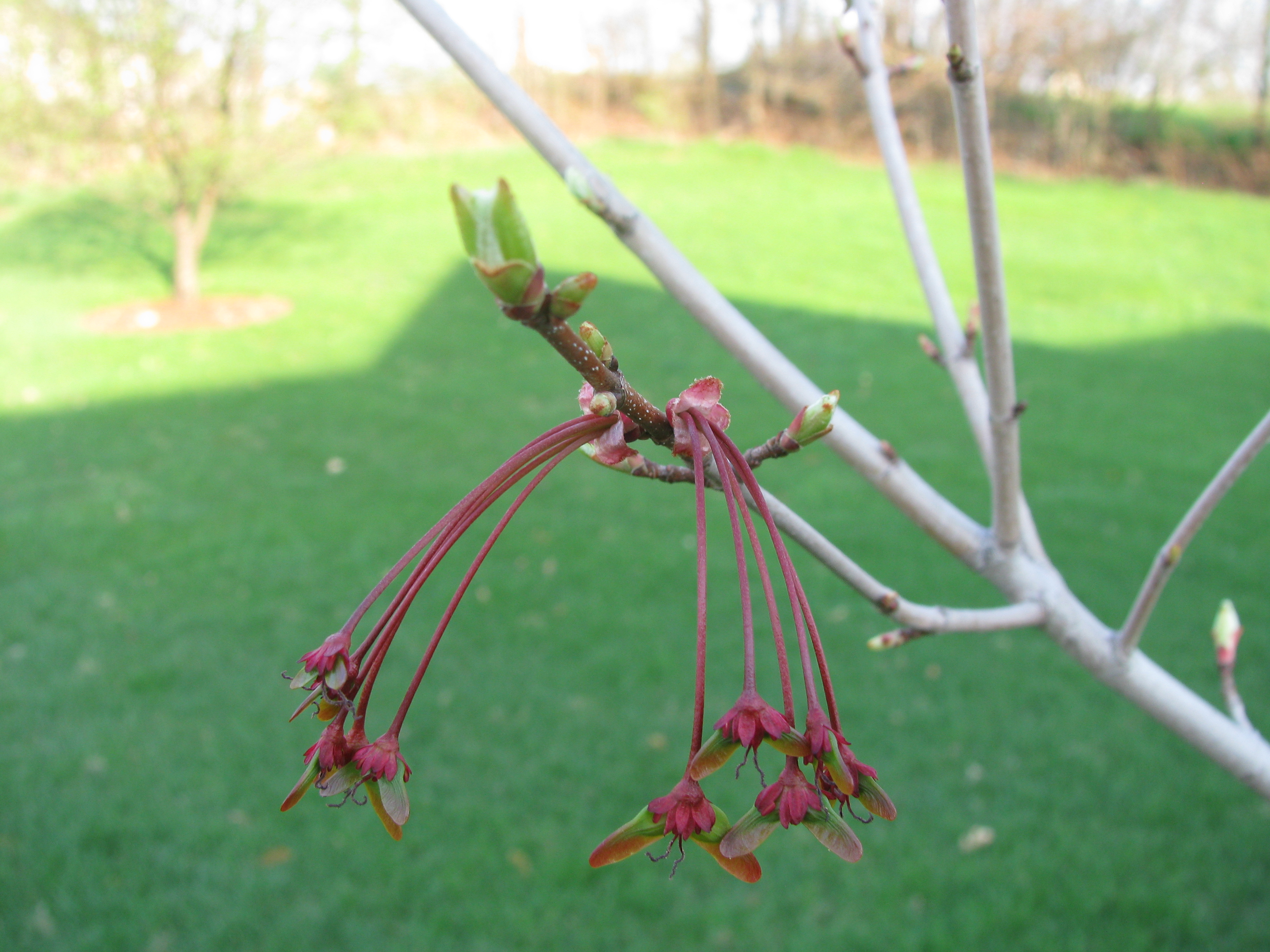
Red maple is one of the earliest trees to bloom each year. In late winter to early spring – often as early as February in Nashville – clusters of tiny red buds swell on bare branches, bursting into small but vivid red to reddish-yellow flowers weeks before leaves appear. This bloom time is a welcome sign of approaching spring.
Male & Female Flowers
Red maple is usually dioecious: male flowers and female flowers appear on separate trees. Male flowers are dense clusters of red stamens that release pollen. Female flowers develop into the distinctive paired samaras. Some trees bear both sexes, but most lean heavily toward one.
Samaras & Seed Dispersal
Unlike oaks that drop acorns in fall, red maple samaras ripen in late spring to early summer. The paired, winged seeds spin like tiny helicopters, dispersing on the wind. This early seed production means red maple seedlings get a head start on the growing season – one reason the species is so prolific.
Pollinator Value
Red maple's early spring bloom time makes it critically important for pollinators. Honeybees and native bees visit the flowers for nectar and pollen at a time when few other trees are in bloom. This early food source helps bee colonies rebuild after winter.
Red maple blooms in late winter to early spring, often before the last frost. This strategy gives its wind-dispersed samaras time to mature, germinate, and establish seedlings before the forest canopy closes in. In Nashville, red maples may start flowering as early as mid-February, making them one of the first native trees to signal the end of winter.
Planting Guide
Planting Red Maple Right
Red maple is one of the easiest native trees to establish in a Nashville landscape. Its tolerance of a wide range of soil conditions gives homeowners flexibility that few other shade trees can match – but choosing the right site still matters for long-term health and the best fall color.
Site Requirements
-
SunlightThrives in full sun (6+ hours of direct sunlight) but also performs well in partial shade. Full sun produces the best fall color and densest canopy.
-
Soil ConditionsRemarkably adaptable: tolerates moist soils, wet soils, and even moderately dry soil. Grows in both acidic soil and alkaline soil, though acidic conditions produce better fall color.
-
Space NeededPlan for a crown spread of 25 to 45 feet at maturity. Allow at least 20 feet from structures and 15 feet from driveways to accommodate surface roots.
-
Hardiness ZoneUSDA Zones 3 to 9. Nashville's Zone 7a is well within the optimal range.
-
Growth RateAmong the fast growing trees in the Acer genus. Young trees add 12 to 18 inches per year, with some Nashville specimens exceeding 2 feet annually on good sites.
Planting Steps
- Choose a site in full sun to partial shade with adequate space for the mature crown. Red maple adapts to most soil conditions but avoid extremely compacted urban fills.
- Dig a hole 2 to 3 times wider than the root ball but no deeper. The root flare must sit at or slightly above grade level – buried flares are a leading cause of red maple decline.
- For container-grown or balled-and-burlapped trees, remove all wrapping, wire, and burlap. Loosen any circling roots to encourage outward growth.
- Backfill with native soil. Avoid amending the hole heavily – this encourages roots to explore the surrounding soil rather than staying in the planting hole.
- Water deeply and apply 2 to 4 inches of hardwood mulch over the root zone, keeping mulch 3 to 4 inches away from the trunk. Moist soils during establishment are critical for rapid growth.
- Water weekly during the first two growing seasons. Once established, red maple is moderately drought-tolerant, though it performs best with consistent moisture.
Red maple is notorious for developing aggressive surface roots that can lift sidewalks, buckle driveways, and make mowing difficult. When siting your tree, allow generous distance from hardscapes. A minimum of 15 feet from sidewalks and 20 feet from foundations is recommended. Cultivars like Red Sunset tend to produce fewer surface roots than the wild species.
Tree Care
Keeping Red Maple Healthy
Red maple is a relatively low-maintenance shade tree, but understanding its vulnerabilities helps Nashville homeowners prevent problems before they start. The key threats include Verticillium wilt, root rots, leafhoppers, and structural issues from surface roots.
Verticillium Wilt
Verticillium wilt is the most serious disease threat to red maple. This soil-borne fungus invades through the roots and clogs the tree's vascular system, causing wilting, branch dieback, and sometimes death. Avoid planting where previous trees or tomatoes died from wilt. Maintain tree vigor with proper watering and mulching.
Root Rots
While red maple tolerates wet soils better than most trees, chronically waterlogged sites with poor drainage can lead to root rots from Phytophthora and related fungi. Ensure the planting site drains within 24 to 48 hours after heavy rain. Avoid piling soil or mulch against the trunk.
Leafhoppers & Pests
Leafhoppers can cause stippling and leaf curl on red maple foliage but rarely cause serious harm. Other common pests include maple bladder gall mites (creating small red bumps on leaves) and Asian longhorned beetle in some regions. Monitor for unusual leaf drop or sawdust-like frass.
Surface Roots & Pruning
Regular structural pruning during the first 5 to 10 years establishes strong branch architecture and reduces storm damage risk. Address included bark (V-shaped branch unions) early. For surface roots, never cut major roots – instead, add soil gradually or adjust grade with careful mulching.
Wilted and dried red maple leaves are highly toxic to horses, causing severe hemolytic anemia that can be fatal. If you keep horses, do not plant red maple near paddocks or pastures, and promptly remove any fallen branches or leaves that blow into horse areas. Fresh green leaves are generally not toxic, but wilted leaves – especially after storms – are extremely dangerous.
Seasonal Calendar
Red Maple Through the Seasons
One of red maple's greatest assets is its year-round interest. No other native tree in Nashville puts on a show in every season – from winter red buds to spring flowers, summer shade, and autumn's brilliant red fall color.
Wildlife Value
Red Maple & Wildlife
Red maple provides exceptional wildlife value across all seasons. Its early flowers sustain pollinators, its seeds feed birds and small mammals, and its foliage supports a diverse community of insects that in turn feed songbirds and other predators.
White-Tailed Deer
White-tailed deer browse red maple twigs, buds, and foliage – especially in winter and early spring when other food sources are scarce. Red maple is considered a preferred browse species across its native range.
Small Mammals
Squirrels, chipmunks, and other small mammals eat the samaras and use the tree for nesting. Mature red maples with cavities provide dens for raccoons and flying squirrels.
Rosy Maple Moth
The beautiful pink-and-yellow Rosy Maple Moth (Dryocampa rubicunda) is one of the most iconic insects associated with red maple. Its caterpillars (greenstriped mapleworms) feed on red maple foliage in summer.
Songbirds
Red maple's early spring samaras provide a food source for evening grosbeaks, finches, and other seed-eating birds. The dense canopy offers nesting sites for robins, cardinals, and warblers.
Pollinators
The early spring flowers are a critical food source for honeybees and native bees emerging from winter dormancy. Red maple is one of the most important early-season nectar trees in the eastern forest.
Cavity Nesters
Older mature trees develop cavities used by woodpeckers, owls, wood ducks, and flying squirrels. Preserving large red maples adds irreplaceable wildlife value to Nashville properties.
Related Maples
Maples of Nashville
Red maple belongs to the genus Acer, which includes many other maple trees found in Nashville landscapes. Understanding how red maple compares to its relatives helps homeowners choose the right maple for their property.
Sugar Maple
Sugar maple (Acer saccharum) grows slower but produces harder wood and more consistent gold-orange fall color. Prefers well-drained, acidic soil. Less tolerant of wet soils and urban stress than red maple. Source of maple syrup.
Norway Maple
Norway maple is a European species widely planted as a shade tree. It produces dense shade that suppresses understory growth and is considered invasive in parts of the eastern United States. Its thick, milky leaf sap distinguishes it from native maples.
Silver Maple
Silver maple (Acer saccharinum) has deeply cut, five-lobed leaves with silvery undersides. Grows even faster than red maple but produces weak, brittle wood. Commonly found along streams and in wet soils throughout Nashville.
Freeman Maple
Freeman maple is a natural hybrid between red maple and silver maple, combining the best traits of both parents: red maple's fall color and form with silver maple's fast growth and tolerance. Popular cultivars include 'Autumn Blaze' and 'Celebration'.
Japanese Maple
Japanese maple is a small ornamental tree (15 to 25 feet) prized for its finely dissected leaves and elegant form. Unlike the full-sized red maple, it works as an understory or specimen tree. Requires partial shade in Nashville's heat.
Striped Maple
Striped Maple (moosewood) is a small understory tree (15 to 30 feet) with distinctive green-and-white-striped bark. Native to cool mountain forests, it struggles in Nashville's heat but may be found in cooler, shaded ravines in the Highland Rim.
For a fast growing native shade tree with reliable fall color, red maple or a Freeman maple cultivar like 'Autumn Blaze' is hard to beat. If you want the hardest wood and can wait for slower growth, sugar maple is the classic choice – but only on well-drained, acidic sites. Avoid silver maple near structures due to its aggressive roots and brittle wood. For small spaces, Japanese maple adds elegance without the size.
Local Focus
Red Maple in Nashville
Red Maple in Nashville
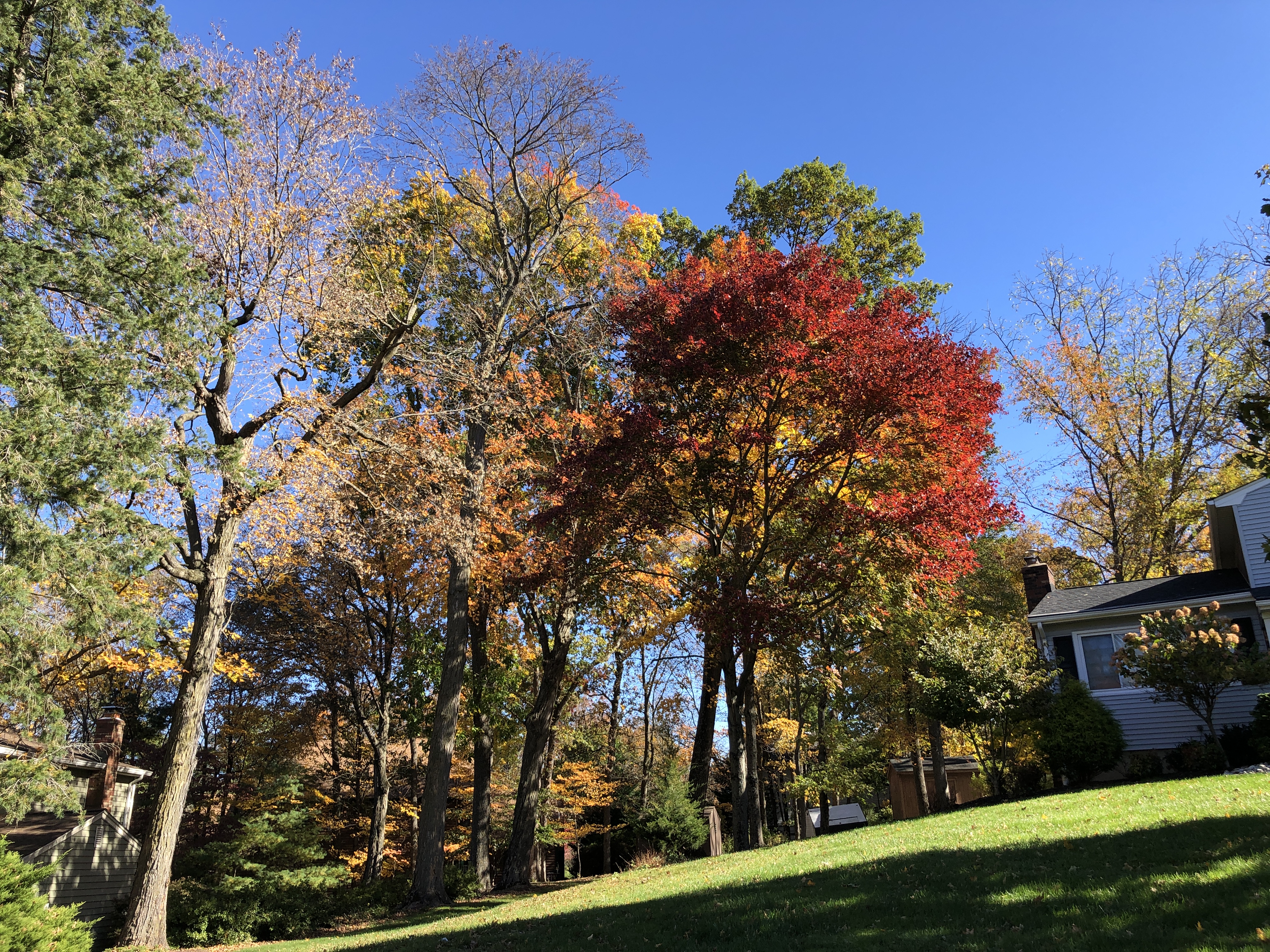
Red maple thrives throughout the Nashville basin and surrounding hills, found naturally along creek bottoms, on moist slopes, and even on drier upland sites. It is one of the most commonly planted landscape trees in Davidson County and across Middle Tennessee.
-
Zone 7a ClimateNashville's warm summers and mild winters are well within red maple's hardiness zone range. The tree handles our occasional ice storms and summer heat without difficulty.
-
Soil AdaptabilityRed maple handles Nashville's diverse soil conditions – from the limestone-influenced alkaline soil of the basin to the more acidic upland soils. For best fall color, choose sites with acidic pH.
-
Autumn ColorNashville's warm days and cool October nights bring out vibrant brilliant red fall color. The display typically peaks in mid to late October, earlier than most oaks.
-
Urban & Suburban UseWidely planted as a shade tree in Nashville neighborhoods, parks, and commercial landscapes. Its tolerance of partial shade and varied soil conditions makes it versatile for almost any residential setting.
History & Uses
Centuries of Use
Red maple has played important roles in North American history, from its use by indigenous peoples through its modern prominence as one of the continent's most planted landscape trees.
Native Use
Medicine & Dye
Indigenous peoples across Eastern North America used red maple bark as a medicinal astringent to treat sore eyes, muscular aches, and skin ailments. The inner bark produced a reddish-brown dye used for baskets and textiles. Red maple's early spring sap was occasionally tapped for a thin, sweet syrup, though sugar maple was the preferred source.
Colonial Era – 19th Century
Furniture & Woodenware
Red maple wood, classified as soft maple, was widely used for furniture, tool handles, clothespins, and wooden bowls. Though softer and less durable than sugar maple, it was abundant and easy to work. The wood was also used for railroad ties and fuel.
Modern Landscape Use
America's Favorite Shade Tree
By the mid-20th century, red maple's adaptability and brilliant red fall color made it one of the most popular landscape trees in the United States. The development of superior cultivars like October Glory (1961) and Red Sunset (1966) further cemented its dominance in the nursery trade.
Ecological Expansion
The Red Maple Paradox
Ecologists have documented a dramatic increase in red maple abundance across eastern forests over the past century. Fire suppression, changes in land use, and the tree's extraordinary adaptability have allowed red maple to expand into habitats once dominated by oaks and other species – a phenomenon sometimes called the "red maple paradox" or "mesophication" of eastern forests.
Popular Cultivars
Best Varieties for Nashville
Wild red maples vary widely in fall color, growth habit, and surface root tendency. Named cultivars offer predictable performance – and for Nashville homeowners, two varieties stand above the rest.
'October Glory'
October Glory is prized for its exceptionally late, long-lasting brilliant red fall color – often holding crimson leaves into November. It has a rounded, symmetrical crown (40 to 50 feet tall) and tolerates wet soils better than most cultivars. An excellent choice for Nashville yards where extended autumn color is the priority.
'Red Sunset'
Red Sunset (also sold as 'Franksred') colors earlier than October Glory, typically peaking in early to mid-October in Nashville. It has a more upright-oval form, stronger branch structure, and produces fewer surface roots. Excellent as a street tree or shade tree where structural strength matters.
In Nashville, both cultivars perform well. Choose October Glory if you want the latest, longest-lasting fall color and your site has moist soils. Choose Red Sunset if you want earlier color, a more structured form, or need fewer surface root problems near walkways and driveways. Both far outperform seedling-grown red maples for consistent color.
Video: Red Maple Care Tips
Expert guidance on growing and maintaining red maples in the Nashville landscape.
Video: Red Maple Care Tips
Common Questions
Red Maple FAQ
Red maple is one of the fast growing trees in the maple genus. Young trees typically add 12 to 18 inches of height per year during their early growing seasons. Trees on ideal sites with full sun and moist soils can exceed 2 feet annually. This rapid growth makes it one of the best maples for establishing shade quickly in Nashville landscapes.
Yes. Red maple is one of the most adaptable native trees for Nashville. It tolerates a wide range of soil conditions – from moist soils and wet soils to drier sites – handles both acidic soil and moderately alkaline soil, and thrives in full sun to partial shade. Its brilliant red fall color, fast growth, and wildlife value make it an excellent choice for Middle Tennessee homeowners.
Red maple has three to five-lobed leaves with serrated margins and red leafstalks, while sugar maple (Acer saccharum) has five-lobed leaves with smooth margins. Red maple grows faster, tolerates wet soils and alkaline soil better, and produces brilliant red fall color earlier in autumn. Sugar maple is slower growing but has harder wood and produces more consistent gold-orange fall color.
Red maple trees typically reach a mature height of 40 to 60 feet with a crown spread of 25 to 45 feet. Exceptional specimens in ideal conditions can exceed 70 feet. The trunk typically reaches 1 to 2 feet in diameter. Mature trees develop a rounded to broadly oval crown that provides excellent shade.
Yes. Verticillium wilt is one of the most serious disease threats to red maple. This soil-borne fungus invades through the roots and clogs the vascular system, causing wilting, yellowing, and branch dieback – often on one side of the tree first. Prevention includes avoiding planting in soil where susceptible plants have died and maintaining tree vigor through proper watering and mulching.
Red maple provides significant wildlife value. White-tailed deer browse the twigs and foliage. Small mammals and songbirds eat the samaras. The Rosy Maple Moth uses red maple as a host plant. Early spring flowers provide critical nectar for bees and pollinators. Cavity-nesting birds use hollows in mature trees. Red maple is one of the most ecologically important native trees in Nashville's landscape.
Need Help With Your Nashville Maples?
Whether you need maple pruning, health assessment, Verticillium wilt diagnosis, storm damage cleanup, or advice about planting the right tree for your property, Smith Works Tree Service is here to help.
Get a Free EstimateServing Nashville, Davidson County & Middle Tennessee