What Is It?
Nashville's Ideal Red Oak
Most red oaks struggle in Nashville's limestone soils. The Shumard oak is the exception – a fast-growing, drought tolerant deciduous tree that actually prefers the alkaline conditions other oaks cannot handle.
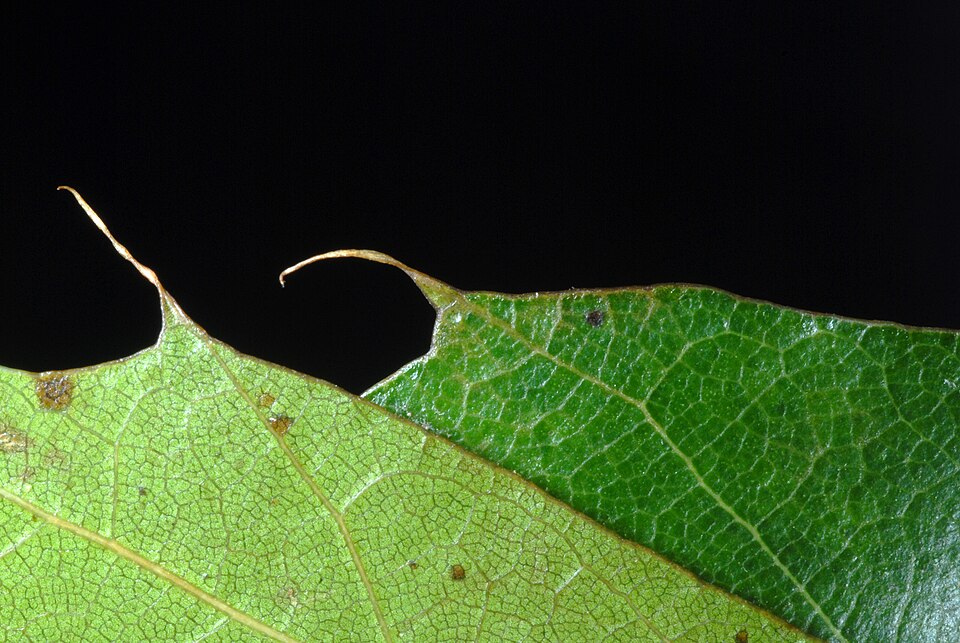
The Shumard oak (Quercus shumardii Buckley), also known by the common name Shumard red oak, spotted oak, or swamp red oak, is a large deciduous tree native to the southeastern and south-central United States. It is a member of the red oak group within the beech family (Fagaceae) and ranks among the largest oak species in North America.
What makes the Shumard oak special for Nashville is its remarkable adaptability. While most red oaks demand acidic, well-drained soils, the Shumard oak thrives across a wide range of soil types and pH levels – including the alkaline, limestone-derived clay that dominates our region. It handles full sun, drought tolerance once established, and even short-term flooding, making it one of the most versatile large shade trees you can plant here.
Also called Shumard's oak, this impressive tree species was named after Benjamin Franklin Shumard, a 19th-century state geologist who studied the natural history of Texas and the Midwest. Its close relative Quercus buckleyi (Texas oak) is sometimes confused with the Shumard, but the two are distinct species with different ranges. The USDA Plants database lists the accepted scientific name as Quercus shumardii Buckley.
"When a Nashville homeowner asks me which oak to plant, nine times out of ten the answer is Shumard. It handles our soil, our heat, and our droughts better than any other red oak."
Smith Works Tree Service – Nashville, TNIdentification
How to Recognize One
Shumard oak shares many features with other red oak group members, which can make identification tricky. Knowing the key differences – especially the leaf details and bark texture – will help you distinguish Shumard oak trees from their relatives.
Lobed Leaves
The lobed leaves are 5 to 9 inches long with 5 to 9 bristle-tipped lobes separated by deep sinuses that extend about two-thirds of the way to the midrib. The dark green leaves have a smooth, somewhat glossy surface above and a paler underside with small tufts of hair at the vein axils – a key diagnostic feature. New spring leaves emerge with a bronze-red tint before darkening to full green during the growing season.
In autumn, Shumard oak puts on one of the most reliable fall color displays of any oak species. Leaves turn vivid shades of red, orange-red, and sometimes deep bronze, with trees in full sun producing the most intense colors. Leaf retention varies – some trees hold brown leaves well into winter, especially younger specimens.
Leaf, Bark & Fruit at a Glance
-
Lobed Leaves5 to 9 inches; 5 to 9 pointed lobes with bristle tips; dark green above; hair tufts in vein axils beneath
-
Male FlowersYellow-green drooping catkins, 4 to 6 inches long; bloom time March to April in Nashville
-
AcornsOvoid, 3/4 to 1-1/4 inches long; shallow, saucer-shaped cap covers 1/3 of the nut; matures over two growing seasons
-
BarkGrayish brown with shallow furrows and narrow ridges; becomes more deeply fissured with age; inner bark is reddish
-
Plant TypeDeciduous tree; woody plant in the beech family (Fagaceae); red oak group member
Bark & Crown Form
Mature bark is grayish brown with relatively shallow furrows and narrow, scaly ridges. The inner bark has a reddish tone – a useful clue when you nick a branch or see fresh damage. The crown is broad and rounded at maturity, often developing a wide, open canopy that provides excellent shade coverage.
Bloom Time & Flowers
Shumard oak blooms early – bloom time is typically March through April in Nashville, coinciding with new leaf emergence. The male flowers appear as slender, drooping catkins that release wind-borne pollen. Female flowers are tiny, reddish clusters at the base of new shoots. Like all red oak group members, acorns take two full growing seasons to mature.
Resilience
Built for Drought Tolerance
Among the traits that make Shumard oak exceptional for Nashville landscapes, its drought tolerance stands out. Once established, this tree handles hot, dry Tennessee summers with minimal supplemental watering – a significant advantage over moisture-demanding species like willow oak or pin oak.
Drought Tolerant
Mature Shumard oak trees develop deep, extensive root systems that access groundwater during dry spells. Nashville's periodic summer droughts rarely stress an established tree. Drought tolerance improves each year as the root system expands.
Handles Short-Term Flooding
Unlike most oaks, the Shumard oak tolerates short-term flooding and temporarily wet soils – a useful trait in Nashville's low-lying areas and creek bottoms. This adaptability to both dry and wet extremes sets it apart from other oak species.
Soil Versatility
Thrives across a remarkable range of soil types and pH levels – from the acidic sandy loams of East Texas to Nashville's alkaline, limestone-derived clays. Few oak species match this versatility in soil conditions.
Northern red oak, scarlet oak, and pin oak all struggle with Nashville's alkaline soils – they develop iron chlorosis (yellowing leaves) when soil pH is too high. Shumard oak has a naturally higher tolerance for alkaline soil conditions and pH levels, making it the go-to red oak group species for our region. At any Nashville garden center, Shumard oak should be your first choice among red oaks.
Siting & Growth
Planting a Fast-Growing Tree
Shumard oak is one of the easiest large oaks to establish. Its adaptability to different soil types, combined with fast-growing vigor, means you will see results quickly. Proper siting is still essential for long-term health and performance.
Site Requirements
-
Light RequirementRequires full sun – at least 6 hours of direct sunlight daily. Tolerates partial shade when young but develops best form and fall color in full exposure.
-
Soil ConditionsExtremely adaptable. Thrives in well-drained soils of all textures – clay, loam, sand. Tolerates alkaline pH levels that cause problems for other red oaks. Handles moderate short-term flooding.
-
Space NeededPlan for a crown spread of 40 to 60 feet at maturity. Allow at least 40 feet from structures, driveways, and utility lines. This is a large, spreading deciduous tree.
-
Hardiness ZonesHardiness zones 5 to 9. Nashville's Zone 7a is in the middle of its comfort range. Performs well from southern Illinois and St. Louis southward through North Carolina and deep into Texas.
-
Growth RateA fast-growing tree by oak standards. Young trees add 12 to 24 inches of height per year in good soil conditions with adequate moisture. Mature height of 60 to 80 feet in landscape settings.
Planting Steps
- Choose a site in full sun with room for the tree's eventual 40 to 60 foot crown. Check for overhead utilities.
- Dig a hole 2 to 3 times wider than the root ball but only as deep. The root flare must sit at or slightly above ground level.
- Remove all container material, burlap, and wire baskets. Gently loosen any circling roots.
- Backfill with native soil – no amendments needed. Shumard oak adapts to existing soil conditions better than most trees.
- Water deeply at planting. Apply 3 to 4 inches of mulch in a wide ring, keeping it 4 to 6 inches away from the trunk.
Shumard oak is one of the best street tree choices in the United States. Its upright-spreading form fits wide medians and parkways, and its tolerance of urban stresses – heat, compacted soils, restricted root zones, and air pollution – makes it a favorite of municipal foresters across the South. Nashville's Metro Forestry division includes Shumard oak on its recommended street tree list.
Tree Care
Keeping Your Shumard Oak Healthy
Shumard oak is a low-maintenance tree once established, but a few issues are worth understanding – especially oak wilt, the most serious threat to all red oaks. Follow these care instructions for optimal long-term health.
Pruning & Structure
Prune only when dormant (November through February). Develop a strong central leader in young trees by removing competing co-dominant stems. Remove dead, crossing, and damaged branches. Hire a certified arborist for mature specimens.
Watering Young Trees
Water deeply (15 to 20 gallons) once per week during the first 2 to 3 growing seasons. After establishment, drought tolerance is excellent. A 3-inch mulch ring helps conserve moisture and suppresses weeds around the base.
Oak Wilt
Oak wilt is the single greatest threat to Shumard oak. This lethal fungal disease spreads through root grafts and via sap beetles that visit fresh wounds. Never prune from April through July. Paint any wounds immediately. Infected trees can die within weeks.
Iron Chlorosis
While Shumard oak tolerates alkaline soils far better than other red oaks, trees planted in extremely high-pH sites may still develop mild iron chlorosis (yellowing between leaf veins). Foliar iron applications or soil acidification with sulfur can correct the issue.
Oak wilt has been confirmed in Tennessee. If your Shumard oak shows sudden wilting starting at the top of the canopy with leaves turning brown from the edges inward, contact a certified arborist immediately. Prevention is the best strategy: never prune red oaks during the growing season, keep trees vigorous with proper watering and mulching, and never transport firewood from infected trees.
Seasonal Beauty
Brilliant Fall Color
Shumard oak's fall color is one of its greatest ornamental assets. The large canopy transforms into a spectacular display of red, orange-red, and russet tones that rival any maple in Nashville's autumn landscape.
For the best fall color, plant Shumard oak in full sun. Trees in partial shade tend to produce more muted bronze tones rather than the vivid reds you see on sun-exposed specimens. Nashville's warm days and cool October nights are ideal for triggering intense autumn pigments. Peak fall color typically occurs in late October to early November here.
Ecology
A Tree That Feeds Wildlife
The Shumard oak's wildlife value is substantial. Its large acorns and sprawling canopy support dozens of bird, mammal, and insect species across its native habitat.
Blue Jays & Songbirds
Blue jays cache Shumard oak acorns by the thousands, inadvertently planting the next generation. Woodpeckers, nuthatches, and other songbirds forage in the bark and canopy year-round.
White-Tailed Deer
White-tailed deer are major consumers of Shumard oak acorns. During mast years, deer activity around oak groves increases dramatically as they build fat reserves for winter.
Wild Turkeys
Wild turkeys forage beneath Shumard oaks throughout fall and early winter, scratching through leaf litter for acorns. A single mature tree can produce food for an entire flock.
Horace's Duskywing
The Horace's duskywing butterfly (Erynnis horatius) uses Shumard oak and other red oaks as larval hosts. Nashville gardens with oaks often support healthy populations of this native skipper.
Small Mammals
Squirrels, chipmunks, and other small mammals depend on Shumard oak acorns as a major fall and winter food source. Their caching behavior drives oak forest regeneration across the region.
Caterpillar Host
Over 500 species of moth and butterfly caterpillars feed on oak leaves – making oaks the most important genus for supporting songbird populations. The wildlife value is unmatched.
Lookalikes & Relatives
Shumard vs. Other Oaks
Shumard oak can be confused with several other red oak group members, especially scarlet oak and southern red oak. Here is how to tell them apart and which performs best in Nashville.
Scarlet Oak
Scarlet oak (Quercus coccinea) has more deeply cut sinuses and a glossier leaf surface. It demands acidic, sandy well-drained soils and struggles badly in Nashville's alkaline clay. Not recommended here.
Southern Red Oak
Southern red oak has a distinctive three-pronged terminal leaf lobe and prefers dry, upland sites. Common in Nashville's forests but less commonly planted as a landscape tree than Shumard.
Pin Oak
Pin oak has a pyramidal form with drooping lower branches. Widely planted but a poor choice for Nashville – it develops severe iron chlorosis in our alkaline soils. Shumard is the better alternative.
Willow Oak
Willow oak has narrow, unlobed leaves that look nothing like typical oaks. Very popular street tree, but prefers acidic soils. Shumard oak offers better alkaline tolerance and more dramatic fall color.
White Oak
White oak belongs to a different group entirely – rounded leaf lobes without bristle tips. Both do well in Nashville, but white oak grows more slowly and prefers well-drained upland sites.
Texas Oak
Texas oak (Quercus buckleyi) is a smaller tree (40 to 50 feet) closely related to Shumard. Sometimes sold as Shumard at nurseries. True Texas oak is more compact and better suited to very dry, rocky soils.
Local Focus
Shumard Oak in Nashville
Shumard Oak in Nashville
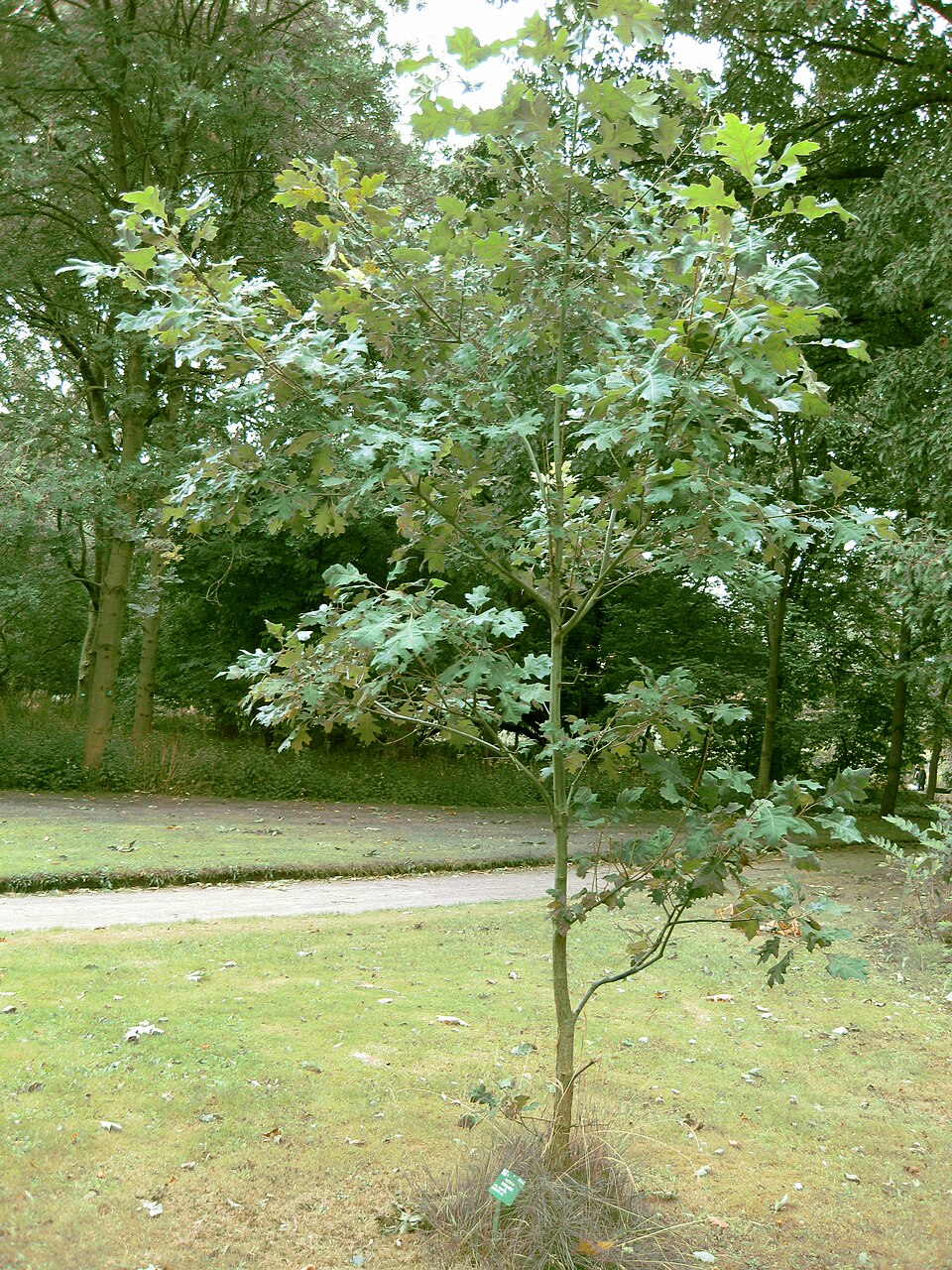
Shumard oak is native to the limestone-influenced forests of Middle Tennessee and thrives in Nashville's climate and soils. It is increasingly recommended by local arborists and nurseries as the best large red oak for our region.
-
Zone 7a AdvantageNashville's warm summers, mild winters, and long growing season are ideal for Shumard oak. The tree thrives in hardiness zones 5 through 9.
-
Alkaline Soil ChampionNashville's limestone-derived soils sit at pH 7.0 to 8.0 – too alkaline for most red oaks but well within Shumard oak's comfort range.
-
Fall ColorNashville's climate produces outstanding fall color on Shumard oaks. Peak display occurs in late October to early November.
-
Urban PlantingWidely used as a street tree throughout Nashville. Found along boulevards, in parks, and in residential landscapes across Davidson County.
History & Uses
Timber, Range & Native Habitat
Shumard oak's range extends from the bottomland forests of East Texas and southern Illinois to the Piedmont of North Carolina. Its wood is commercially important and ecologically vital across its native habitat.
Native Range
Bottomlands to Uplands
The native habitat of Shumard oak includes river bottomlands, mesic slopes, and limestone bluffs from Central Texas and Oklahoma east through the lower Mississippi Valley to the Carolinas. In Tennessee, it is found naturally along stream corridors and on limestone-influenced slopes – exactly the soil conditions found across Nashville.
Timber
Interior Trim & Hardwood Flooring
Shumard oak wood is sold commercially as "red oak" lumber, used for hardwood flooring, cabinetry, and interior trim. The wood is hard, heavy, and strong with an attractive grain pattern. It is virtually indistinguishable from northern red oak in product details and commercial grading.
Urban Forestry
America's Favorite Urban Oak
Shumard oak has become one of the most widely planted oaks in the United States for urban and suburban landscapes. Its tolerance of diverse soil types, drought tolerance, and handsome form have made it a staple of garden center inventories and municipal planting lists from St. Louis to Dallas to Nashville.
Botany Note
Shumard vs. Texas Oak
The relationship between Shumard oak and Texas oak (Quercus buckleyi) has been debated by botanists for decades. Some references treat Texas oak as a variety of Shumard (Q. shumardii var. texana), while modern taxonomy recognizes them as distinct species. The USDA Plants database lists both as separate entries.
Video: Shumard Oak Care Tips
Learn more about growing and maintaining Shumard oaks in the Nashville landscape.
Video: Shumard Oak Care Tips
Common Questions
Shumard Oak FAQ
Shumard oak is one of the best large shade trees you can plant in Nashville. It thrives in our alkaline, limestone-influenced soils better than any other red oak group species. It handles a wide range of soil types, offers drought tolerance once established, and produces reliable red fall color. Many local arborists consider it the ideal oak for Middle Tennessee.
Shumard oak is a fast-growing tree for an oak species, typically adding 12 to 24 inches of height per year. Trees on good sites with adequate moisture can grow even faster during their early years. Mature height is 60 to 80 feet with a crown spread of 40 to 60 feet.
Yes. Shumard oak has excellent drought tolerance once established. While young trees benefit from regular watering during their first 2 to 3 years, mature trees handle dry spells and Nashville's hot summers without supplemental irrigation. The tree also tolerates short-term flooding better than most oaks.
Both are red oak group members with deeply lobed leaves. Scarlet oak (Quercus coccinea) has sinuses cut nearly to the midrib and demands acidic, sandy well-drained soils. Shumard oak tolerates alkaline soils and wetter sites much better. For Nashville, Shumard is the clear winner.
Yes. Like all red oak group members, Shumard oak is susceptible to oak wilt. Avoid pruning during the growing season (April through July) when sap beetles that spread the disease are most active. Paint any wounds immediately. Infected trees can decline rapidly.
Benjamin Franklin Shumard (1820 – 1869) was the state geologist of Texas in the 1850s and 1860s. He extensively studied the geology and natural history of Central Texas, Missouri, and Arkansas. The Shumard oak was named in his honor by botanist Edward Lee Greene in 1906.
Need Help With Your Nashville Oaks?
Whether you need oak pruning, health assessment, oak wilt diagnosis, storm damage cleanup, or advice on the right tree for your property, Smith Works Tree Service is here to help.
Get a Free EstimateServing Nashville, Davidson County & Middle Tennessee