What Is It?
America's Most Iconic Shade Tree
The sugar maple is the tree that paints New England in fire every October, fills jugs with golden maple syrup each spring, and provides some of the finest hard maple wood used in furniture and musical instruments across North America.
The sugar maple (Acer saccharum Marshall) is one of the most widely recognized and culturally significant deciduous trees across eastern North America. Its common name reflects the sweet sap that flows from its trunk in late winter – the source of nearly all commercial maple syrup produced worldwide. But beyond its culinary fame, this large tree is prized as a premier shade tree, delivering dense summer canopy and the most spectacular fall color display of any North American hardwood.
Native from Nova Scotia and New England south through North Carolina, South Carolina, and west to eastern Texas and Minnesota, the sugar maple anchors the northern hardwood forest alongside American beech, yellow birch, and eastern hemlock. In Nashville and Middle Tennessee, it occupies the southern edge of its core range, performing best on cooler, north-facing slopes with moist soils and good drainage.
The sugar maple is the state tree of New York, Vermont, West Virginia, and Wisconsin – more state designations than any other tree species. Its leaf adorns the Canadian flag, and its wood has been the preferred choice for bowling alleys, dance floors, and musical instruments for over a century.
"A well-sited sugar maple is a generational investment. It grows slowly, but the dense shade, brilliant fall color, and sheer longevity make it one of the finest trees you can plant."
Smith Works Tree Service – Nashville, TNIdentification
How to Recognize One
Sugar maple has distinctive features in every season. Once you learn to spot the smooth-edged, five-lobed leaf shape and the gray bark with its long, vertical plates, you will notice sugar maples throughout Nashville's parks and older neighborhoods.
Leaf Shape & Description
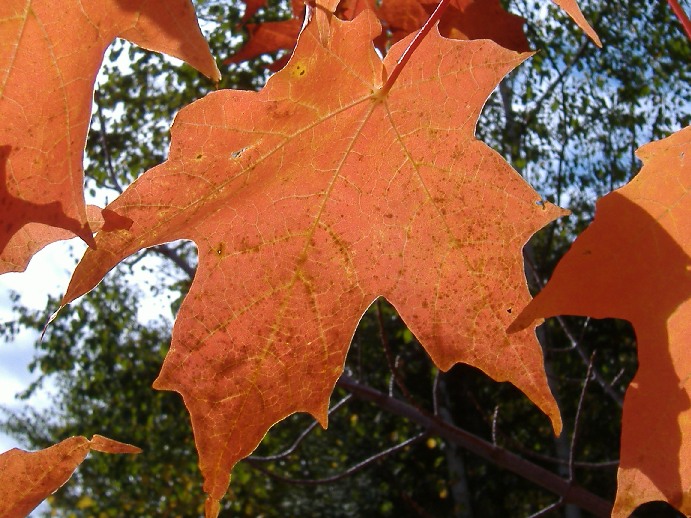
The sugar maple leaf shape is the classic five-lobed maple outline recognized worldwide. Each leaf has five primary lobes separated by rounded sinuses (the spaces between lobes) with smooth, untoothed margins – a key feature that distinguishes it from red maple (Acer rubrum), which has serrated sinus edges. The dark green leaves are 3 to 5 inches wide, with a smooth, matte upper surface and a paler underside. In spring and summer, the green leaves create one of the densest canopies of any hardwood, providing deep, cool shade.
In autumn, sugar maple leaves undergo one of nature's most dramatic transformations. A single tree can display brilliant red, fiery orange, and golden yellow simultaneously – the famous tri-color effect that drives millions to New England and the Great Lakes each October. The autumn color is driven by sugars trapped in the leaves as chlorophyll breaks down, and the intensity varies with soil pH, sunlight exposure, and nighttime temperatures.
Leaf, Bark & Fruit at a Glance
-
Leaf Shape3 to 5 inches wide; five-lobed with smooth (untoothed) sinuses; dark green upper surface; opposite leaf arrangement on stems
-
Flower ColorSmall, yellow-green clusters hanging on slender stalks; appear in early spring before or with emerging leaves; not showy
-
SamarasPaired winged seeds (helicopters), 1 to 1.5 inches long; wings form a narrow U-shape; mature in late spring to early summer
-
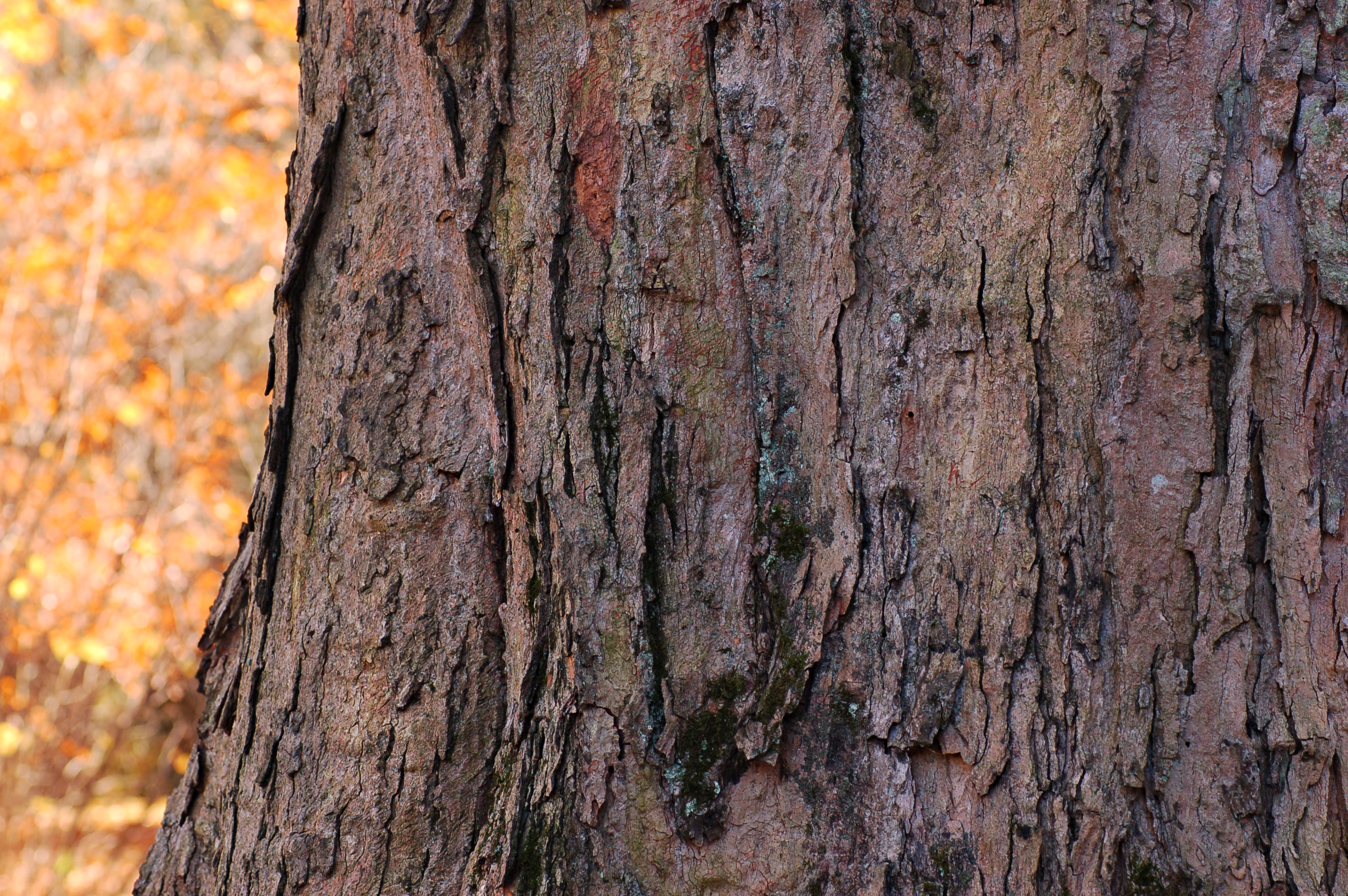
Gray BarkYoung bark is smooth and gray; mature bark develops long, vertical, irregularly furrowed plates that curl outward slightly along their edges
-
Plant TypeDeciduous tree; woody plant in the soapberry family (Sapindaceae); genus Acer; also known as hard maple or rock maple
Gray Bark & Form
Young sugar maples have smooth, light gray bark that becomes more rugged with age. On mature trees, the bark develops long, vertically oriented plates with deep furrows between them. The plates often curl slightly outward along their edges, giving the trunk a shaggy appearance that is quite different from the smoother bark of red maple or the flaky, peeling bark of silver maple (Acer saccharinum). The overall form of a mature sugar maple is oval to rounded, with a dense, symmetrical canopy that makes it one of the finest shade trees in the landscape.
Bloom Time & Flowers
Sugar maple blooms in early spring, typically April in the Nashville area, with small clusters of yellow-green flowers that hang on slender stalks. The flower color is subtle – these are not showy blossoms. The flowers appear just before or alongside the flower buds opening into new leaves, creating a brief yellow-green haze in the canopy. By late spring, the familiar paired samaras (winged seeds, often called helicopters) have formed and will spiral to the ground by early summer.
Growth & Size
A Slow, Steady Giant
Unlike fast-growing maples such as silver maple or red maple, the sugar maple takes its time. This deliberate pace produces exceptionally dense, hard maple wood – the hardest of all North American maples – and a tree that can stand for centuries.
- Mature height: 60 to 75 feet in landscape settings; exceptional mature trees can reach 100 feet or more in forests.
- Crown spread: 40 to 50 feet at maturity, forming a dense, oval to rounded canopy.
- Growth rate: Slow – typically 12 to 18 inches per year. A 10-year-old sugar maple may be only 15 to 20 feet tall.
- Trunk diameter: Mature trees develop trunks 2 to 3 feet in diameter; old-growth specimens can exceed 4 feet.
- Lifespan: 300 to 400 years under ideal conditions. This is a true large tree built for the long term.
Sugar maple's slow growth produces wood with tight growth rings and exceptional density. This is why hard maple is the wood of choice for bowling alleys, butcher blocks, hardwood flooring, and the backs and sides of fine violins, guitars, and other musical instruments. The same density that makes the wood valuable also makes the tree remarkably wind-resistant and long-lived compared to faster-growing species.
Flowers & Seeds
Blooms, Samaras & Reproduction
Sugar maple's reproductive cycle begins in early spring with delicate flowers and ends with the familiar spinning samaras that children chase across autumn lawns.
Spring Flowers
Small, yellow-green flower clusters appear in April, drooping on long, slender stalks. The flower buds open before or alongside the new leaves, giving the canopy a brief golden-green flush in early spring. Both male and female flowers may appear on the same tree.
Winged Samaras
The paired, winged seeds mature by late spring to early summer. Each samara pair forms a narrow U or V shape, unlike the wider angle of red maple samaras. Heavy seed years occur every 2 to 5 years, carpeting the ground beneath the canopy with thousands of spiraling helicopters.
Seedling Establishment
Sugar maple seedlings are remarkably shade-tolerant, able to persist as small understory plants for decades before a gap in the canopy allows them to grow. This patience is a key survival strategy that gives sugar maple a competitive edge in mature forests across its native range.
Planting Guide
Siting Your Sugar Maple Right
Sugar maple rewards careful site selection more than almost any other shade tree. In Nashville, where summer heat and alkaline soil can stress this species, choosing the right spot is essential for long-term success.
Site Requirements
-
SunlightThrives in full sun to partial shade. In Nashville, partial sun with afternoon shade protection is often ideal, especially on south-facing sites. Tolerates moderate shade better than most large trees.
-
Soil ConditionsPrefers moist soils that are well-drained with acidic soil to neutral soil pH (5.5 to 7.0). Struggles in compacted urban sites, heavy clay without drainage, and strongly alkaline soil. Good soil moisture without standing water is critical.
-
Space NeededPlan for a canopy spread of 40 to 50 feet. Allow at least 30 feet from structures and 20 feet from pavement to avoid surface roots lifting sidewalks.
-
Hardiness ZoneUSDA Zones 3 to 8. Nashville's Zone 7a sits at the warmer end of the sugar maple's comfort zone. Heat stress can occur during prolonged summer drought.
-
Growth RateSlow – 12 to 18 inches per year. Patience is required, but the result is a long-lived, structurally sound tree with exceptionally dense wood.
Planting Steps
- Choose a site with full sun to partial shade and moist soils that drain well. Avoid hot, exposed southern exposures and sites near black walnut trees, which produce juglone that can harm sugar maples.
- Dig a hole 2 to 3 times wider than the root ball but no deeper. The root flare must sit at or slightly above grade level – burying it is the most common planting mistake.
- For container-grown trees, gently loosen circling roots before placing in the hole. For balled-and-burlapped stock, remove all wrapping materials after positioning.
- Backfill with native soil. Amend only if your soil pH is above 7.5 – work in sulfur or acidic organic matter to lower pH toward the 6.0 to 6.5 range sugar maple prefers.
- Water deeply immediately after planting, then maintain consistent soil moisture through the first two growing seasons. Apply 3 to 4 inches of organic mulch over the root system area, keeping it away from the trunk.
Sugar maple is moderately sensitive to juglone, the allelopathic chemical produced by black walnut (Juglans nigra) roots, leaves, and nut husks. Avoid planting within 50 feet of mature black walnut trees. Symptoms of juglone toxicity include leaf yellowing, wilting, and slow decline.
Tree Care
Caring for Your Sugar Maple
Once established, sugar maple requires relatively modest care. Understanding its drought tolerance limitations, root system habits, and pruning needs will keep your tree healthy for generations.
Watering & Drought
Sugar maple has limited drought tolerance compared to oaks and hickories. During Nashville's hot, dry summers, supplemental watering is beneficial, especially for young trees. Water deeply once a week during drought – the root system extends well beyond the canopy drip line. Leaf scorch (brown, crispy margins) is the first sign of drought stress.
Root System & Surface Roots
Sugar maple develops a moderately shallow, spreading root system. Surface roots can become prominent on older trees, especially in compacted or clay soils. Avoid planting near sidewalks where roots may cause lifting. Never add soil over existing roots – even 2 to 3 inches of fill can suffocate the root system and lead to decline.
Pruning
Prune in late summer (July through early September) or during dormancy (November through February). Avoid pruning in spring when sap flow is heavy – cuts made during sap season will bleed extensively. Remove dead, crossing, or rubbing branches. Sugar maple heals pruning wounds slowly, so make clean cuts and avoid removing more than 20% of the canopy in a single year.
Common Problems
Tar spot fungus (dark spots on leaves) is cosmetic and rarely harmful. Verticillium wilt can be serious – look for sudden branch dieback and streaked sapwood. Anthracnose may cause early leaf drop in wet springs. Asian long-horned beetle is a potential threat in some regions. Salt damage from road deicing is a major concern for street-planted sugar maples.
Seasonal Calendar
Sugar Maple Through the Seasons
Wildlife Value
Ecological Role
Sugar maple supports a diverse community of wildlife through its seeds, dense canopy, and role as a dominant forest tree. Its wildlife value extends from the forest floor to the treetops.
White-Tailed Deer
White-tailed deer browse sugar maple seedlings and low branches heavily. Deer browsing pressure is a major factor limiting sugar maple regeneration in many forests. Deer also feed on fallen leaves and samaras as a food source.
Small Mammals
Squirrels, chipmunks, and other small mammals feed on sugar maple seeds and cache samaras for winter stores. Porcupines gnaw sugar maple bark for its sweet inner layer. Flying squirrels nest in cavities of older mature trees.
Birds & Insects
The dense canopy provides nesting habitat for wood thrushes, vireos, and warblers. Rose-breasted grosbeaks feed on sugar maple flower buds. The tree supports numerous moth and butterfly species whose caterpillars are a critical food source for nesting birds.
Related Maples
The Maple Family in Nashville
Sugar maple belongs to the genus Acer, which includes many other maples found across Middle Tennessee. Understanding the differences helps with identification and choosing the right maple for your landscape.
Red Maple
Red maple (Acer rubrum) is the most widespread maple in eastern North America. It grows faster than sugar maple, tolerates wetter sites, and has serrated leaf margins. Fall color is typically red to orange-red but less varied than sugar maple.
Norway Maple
Norway maple is a European species widely planted as a shade tree. Its leaves resemble sugar maple but are wider, darker, and exude milky sap when the leaf stem is broken. Considered invasive in many areas and not recommended for new plantings.
Silver Maple
Silver maple (Acer saccharinum) grows much faster than sugar maple but has weak wood prone to storm breakage. Deeply cut, five-lobed leaves with silvery undersides. Not recommended as a shade tree where sugar maple can succeed.
Freeman Maple
Freeman maple is a hybrid between red maple and silver maple, combining fast growth with better structure. Popular cultivars like ‘Autumn Blaze’ and ‘Celebration’ are widely planted as street trees. More heat-tolerant than sugar maple.
Japanese Maple
Japanese maple is a small ornamental tree (15 to 25 feet) with delicate, deeply cut leaves. Not a shade tree replacement for sugar maple but an excellent understory companion. Hundreds of cultivars available with varied leaf forms and colors.
Striped Maple
Striped maple (moosewood) is a small understory tree of cool, moist forests. Its distinctive green-and-white striped bark makes it easy to identify. Found in Tennessee only at higher elevations in the eastern mountains.
For the best combination of fall color, longevity, and shade quality, sugar maple is the gold standard – but only on suitable sites with good soil moisture and moderate pH. If your site is hot, dry, or has heavy alkaline soil, consider Freeman maple cultivars or red maple instead. For wet sites, red maple is the clear winner. Avoid silver maple and Norway maple for new plantings.
Local Focus
Sugar Maple in Nashville
Sugar Maple in Nashville
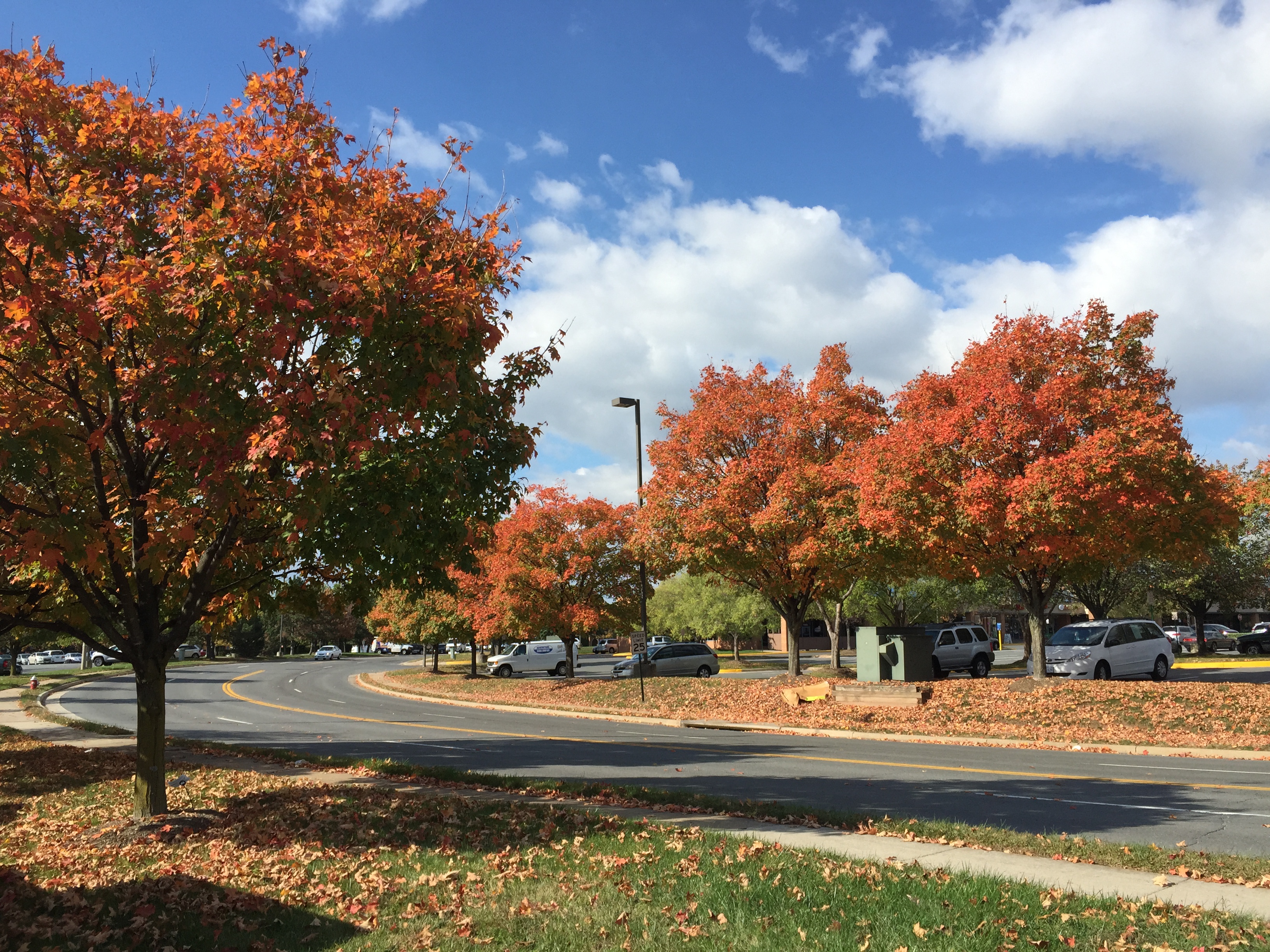
Nashville sits at the southern fringe of sugar maple's core native range across eastern North America. The tree occurs naturally on cooler, north-facing slopes in the Nashville Basin's rim forests, where it grows alongside white oak, American beech, and tulip poplar in mixed hardwood stands.
-
Zone 7a ClimateNashville's warm summers can stress sugar maples, especially during prolonged droughts. Choose sites with afternoon shade protection and adequate soil moisture for best results.
-
Soil & DrainagePerforms best in Nashville's well-drained, acidic soil areas. Limestone-influenced alkaline soil areas may cause chlorosis (yellowing leaves). Amend with sulfur if soil pH exceeds 7.5.
-
Autumn ColorNashville's warm October days and cool nights produce excellent red fall color on well-sited trees. Expect peak color late October through mid-November.
-
Urban PlantingSugar maple is less tolerant of urban stresses (compaction, road salt, air pollution) than red maple or oaks. Best suited for larger residential lots, parks, and campuses with adequate root space.
History & Uses
Centuries of Sweet History
Sugar maple is woven into the fabric of North American culture more deeply than perhaps any other tree. From indigenous peoples who first discovered its sweet sap to modern bowling alleys built on its hard maple wood, this tree has shaped industries and traditions across the continent.
Indigenous Origins
First Maple Sugar
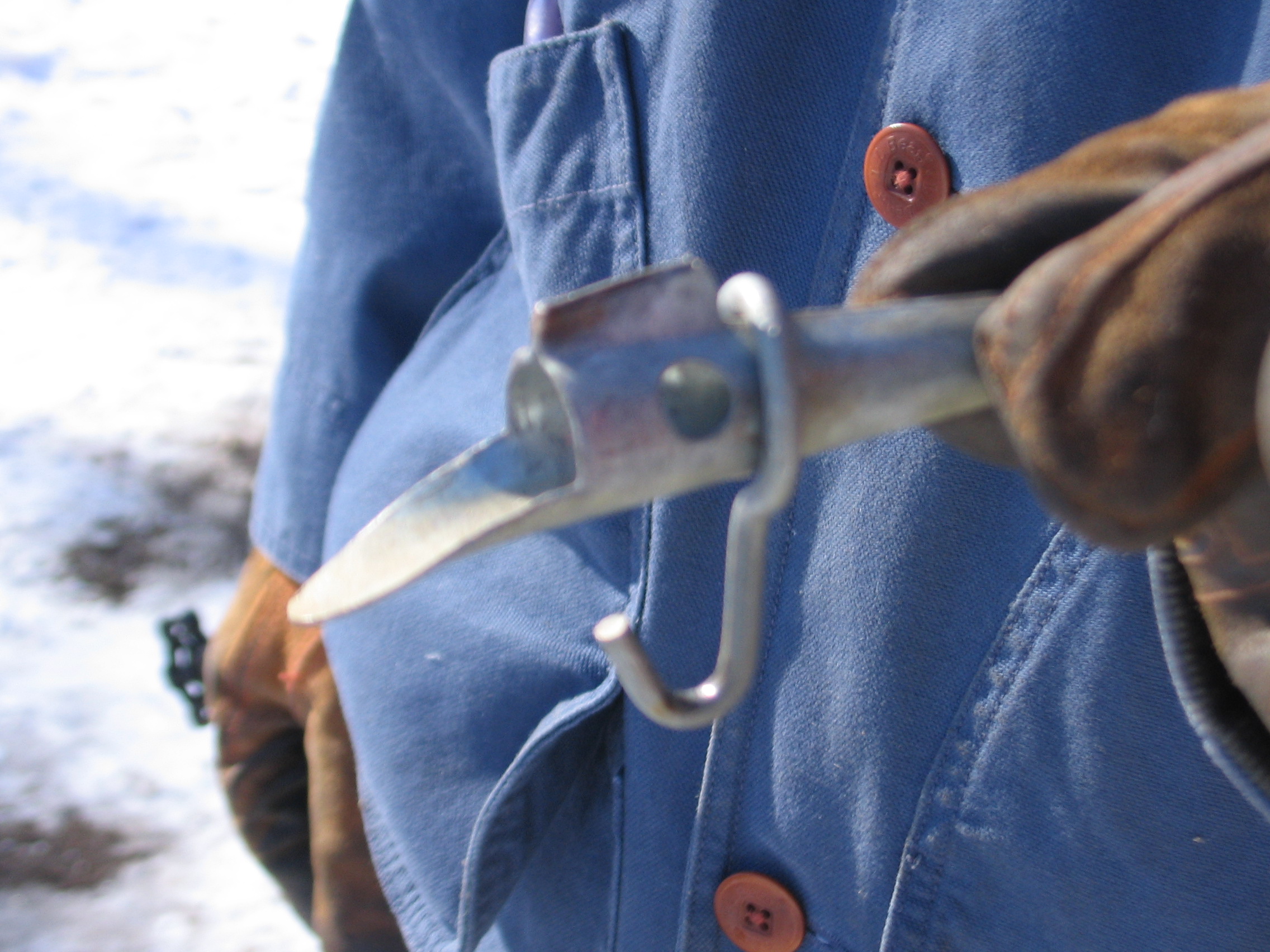
Indigenous peoples across eastern North America – including the Ojibwe, Abenaki, and Haudenosaunee – discovered that sugar maple sap could be boiled down to produce maple sugar, a concentrated sweetener that predated European contact by centuries. Maple sugaring was a major springtime activity, and sugar maple groves were carefully tended and passed between generations.
Colonial Era
Maple Syrup Industry
European settlers quickly adopted indigenous sugaring techniques. By the 1700s, maple syrup production was a significant industry across New England, New York, and the Great Lakes region. Thomas Jefferson attempted to establish sugar maple plantations in Virginia, hoping maple sugar would reduce dependence on Caribbean cane sugar.
Industrial & Modern Uses
Hard Maple Wood
Hard maple (sugar maple) wood is the standard for bowling alleys, dance floors, basketball courts, and butcher blocks. Its tight, even grain and exceptional hardness make it the preferred tonewood for the backs and sides of violins, cellos, and acoustic guitars. The USDA Forest Products Laboratory classifies it among the hardest domestic hardwoods. Figured sugar maple (bird's eye, curly, and quilted forms) commands premium prices for musical instruments and fine furniture.
Cultural Symbol
National & State Icon
The sugar maple leaf is the central element of the Canadian national flag, adopted in 1965. In the United States, sugar maple holds more state tree designations than any other species: New York, Vermont, West Virginia, and Wisconsin. The tree's association with New England's fall foliage season drives a tourism industry worth billions annually.
Cultivars
Popular Varieties
Several sugar maple cultivars have been selected for improved heat tolerance, fall color, and form. These can be excellent choices for Nashville homeowners who want sugar maple's qualities in a more adapted package.
‘Green Mountain’
One of the most heat-tolerant sugar maple cultivars. Thick, leathery dark green leaves resist scorch better than the species. Brilliant orange-red fall color. Excellent choice for Nashville's climate. Oval form reaches 65 feet.
‘Legacy’
Another heat-tolerant selection with glossy, dark green foliage and outstanding brilliant red to orange fall color. Faster growing than the species – up to 24 inches per year. Dense, symmetrical oval crown.
‘Fall Fiesta’
Selected for its exceptional multi-colored autumn color display – red, orange, and gold all on the same tree. Good resistance to leaf tatter and scorch. Broadly oval form to 70 feet.
‘Commemoration’
Fast-growing for a sugar maple, with improved heat and drought resistance. Heavy-textured dark green leaves resist tatter. Yellow to orange-red fall color. Good choice for challenging southern sites.
Video: Sugar Maple Care Tips
Expert guidance on growing and maintaining sugar maples in the landscape.
Video: Sugar Maple Care 101
Common Questions
Sugar Maple FAQ
Sugar maple is a slow to moderate grower, typically adding 12 to 18 inches of height per year during its early growing seasons. While slower than red maple or silver maple, sugar maple's dense, hard maple wood and long lifespan of 300 to 400 years more than compensate for the patience required.
Sugar maple can grow well in Nashville but prefers well-drained, slightly acidic soil to neutral soil and protection from intense afternoon heat. It thrives on north-facing slopes and in areas with good soil moisture. Nashville sits at the southern edge of sugar maple's optimal native range, so site selection is particularly important. Heat-tolerant cultivars like ‘Green Mountain’ and ‘Legacy’ are recommended.
Sugar maple (Acer saccharum) has five-lobed leaves with smooth edges between the lobes, while red maple (Acer rubrum) has serrated or toothed edges. Sugar maple has darker, harder wood and produces higher-quality sap for maple syrup. Red maple tolerates wetter sites and grows faster, while sugar maple is longer-lived with more varied fall color.
Sugar maple trees typically reach a mature height of 60 to 75 feet with a crown spread of 40 to 50 feet. Exceptional mature trees in ideal forest conditions can reach 100 feet or more. The trunk can reach 3 feet or more in diameter at maturity.
Yes, though the season is shorter and less predictable than in New England or the Great Lakes states. Sugar maples in Tennessee can be tapped during late winter when daytime temperatures rise above freezing and nights drop below 32°F. The sap sugar content is comparable, but the tapping window may last only 2 to 4 weeks versus 4 to 6 weeks farther north.
Several factors affect fall color intensity. Alkaline soil (common in Nashville's limestone areas) can mute red pigments. Trees in too much shade produce duller tones. Drought stress during late summer reduces color intensity. For the most brilliant red display, plant in full sun to partial shade with well-drained, slightly acidic soil and maintain adequate soil moisture through September.
Need Help With Your Nashville Maples?
Whether you need maple pruning, health assessment, disease diagnosis, storm damage cleanup, or advice about planting the right tree for your property, Smith Works Tree Service is here to help.
Get a Free EstimateServing Nashville, Davidson County & Middle Tennessee